
Dyeing quality is not determined by dyes and process settings alone. In practical production, machine design also plays a direct role in dye levelness, color reproducibility, penetration, fabric or yarn handling stability, and batch-to-batch consistency.
For yarn and fabric dyeing factories, choosing suitable machines is not only a matter of capacity or price. The circulation system, tension control, heating and cooling stability, pressure control, and automation level can all affect final dyeing results. If the machine design does not match the material form and process requirements, problems such as uneven dyeing, poor penetration, shade variation, creasing, or unnecessary quality loss may occur.
This guide explains how dyeing machine design affects dyeing quality, and what technical points should be checked when evaluating machines for hank yarn, package yarn, and fabric dyeing applications. For a broader selection overview, you can also read how to choose the right dyeing machine for yarn and fabric.
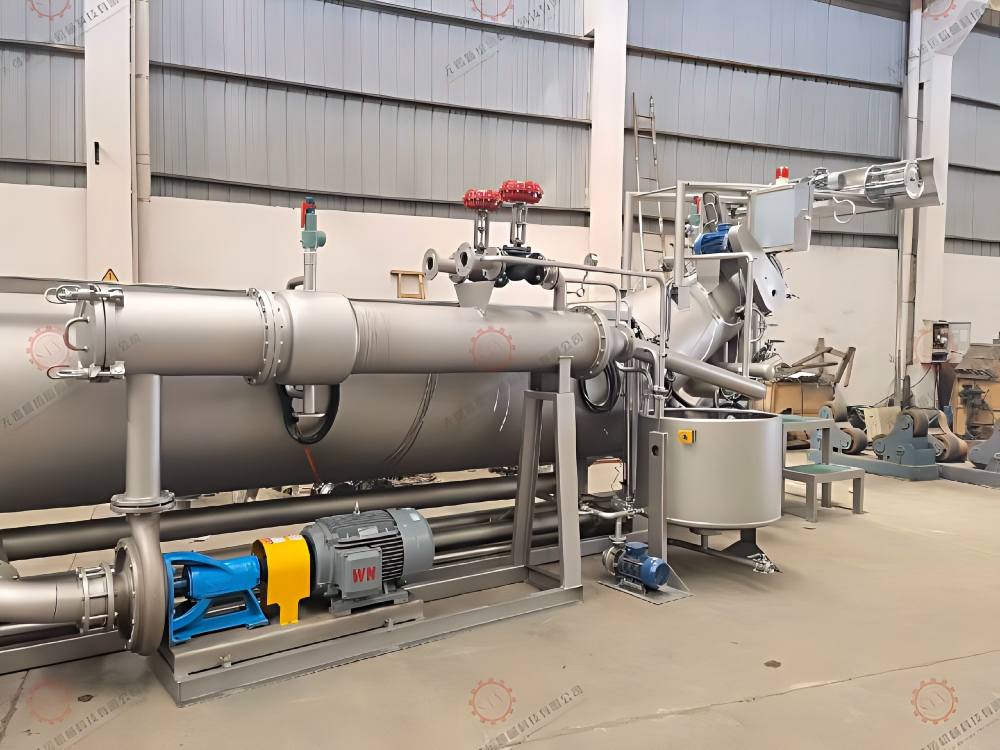
In dyeing production, even when the dyestuff, auxiliaries, recipe and operator are correct, unstable machine performance can still lead to quality problems. This is because the machine controls the actual operating environment of the dyeing process, including liquor flow, material movement, temperature rise, cooling speed, pressure condition and dosing stability.
A well-matched dyeing machine helps the material contact dye liquor more evenly, reduces process fluctuation, and improves repeatability from one batch to another. A poorly matched machine may still be able to run, but it often makes quality control more difficult, especially when processing sensitive yarns, knitted fabrics, deep shades, or higher-value products.
Some quality issues are caused by recipe, raw material or operation, but in many cases the machine itself is part of the root cause. Common machine-related risks include:
It is also important to distinguish machine-related issues from preparation problems. In some cases, unstable absorbency, oil residue or incomplete cleaning before dyeing may also lead to patchy shades or poor color yield. You can read more in textile pretreatment before dyeing.
Stable circulation is one of the most important foundations for level dyeing. If the liquor flow is weak, uneven or unstable, dye uptake may vary across the material, resulting in shading or poor reproducibility. The circulation path should be matched to the material form, whether it is hank yarn, package yarn or fabric.
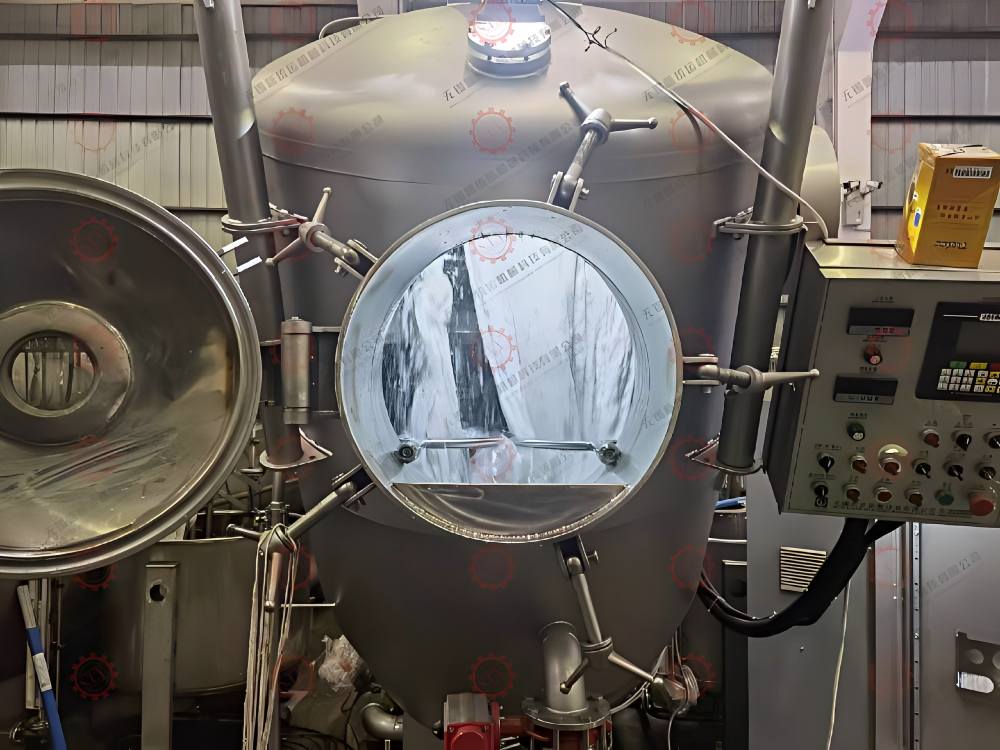
Tension has a direct impact on dyeing uniformity and material appearance. High or uneven tension can increase the risk of barre, crease marks, deformation, or local dyeing differences. This is especially important for knitted fabric, elastic fabric, wool yarn and other sensitive materials. For this point, the article low tension and uniform dyeing solutions for knitted fabric is a useful supporting reference.
The rate of temperature rise and temperature drop affects dye absorption behavior and process repeatability. If heating is too fast or unstable, some materials may absorb dye unevenly. If cooling is poorly controlled, process consistency may also be affected. A suitable heat exchange and control system supports smoother dyeing performance.
For high-temperature dyeing processes, stable pressure control is part of stable operating conditions. Pressure fluctuation can influence temperature stability, sealing condition and overall process reliability. For polyester or other high-temperature applications, the machine pressure class must match the actual process requirement.
Higher automation does not automatically mean better dyeing, but repeatable control of key process parameters usually helps reduce human variation. Stable dosing, timing and temperature control can improve color reproducibility, especially for factories that run repeated shades or require tighter quality consistency.
Different material forms require different processing logic. A machine suitable for package dyeing is not automatically suitable for hank yarn, and a general fabric dyeing machine should still be evaluated carefully when the real target is delicate knitted fabric performance. Quality problems often start when the machine type does not match the product form.
In real dye houses, practical details such as sealing reliability, maintenance convenience, cleaning efficiency, and process stability under continuous operation also influence quality control. A machine should not only run under ideal conditions, but also remain stable in daily production.
Hank yarn usually requires gentle handling, good liquor contact and low or uniform tension conditions. If the machine running mode is too aggressive, yarn entanglement, deformation or uneven dyeing may occur more easily. Related product options can be reviewed in our hank dyeing machine section.
Package dyeing depends heavily on liquor flow through the yarn package. The machine should provide stable inside-to-outside and outside-to-inside circulation under suitable pressure conditions. Package density, permeability and carrier design all influence penetration and shade consistency.
Fabric dyeing machines should be evaluated according to fabric type, fabric weight, operating temperature and required fabric handling mode. For knitted and elastic fabrics, low tension and smooth fabric transport are often more important. For some woven or heavier fabrics, circulation performance and process stability may be the main priority. You can browse our fabric dyeing machine page for more information.
Before comparing quotations, buyers should confirm the following technical points as clearly as possible:
A clearer technical brief usually leads to a more suitable machine recommendation and a more practical quotation. It also helps avoid buying a machine that can run the process, but cannot reliably achieve the expected dyeing quality.
The quality of dyed products depends not only on recipe and operation, but also on whether the dyeing machine design matches the actual material and process. Liquor circulation, tension control, heating and cooling stability, pressure condition, automation repeatability and overall machine suitability all influence final dyeing results.
When evaluating a dyeing machine, the key question is not simply whether the machine can run the process, but whether it can do so consistently, gently and with stable quality from batch to batch.
Yes. Liquor circulation stability, tension control, temperature rise, cooling rate and dosing repeatability can all influence dye uptake and levelness.
Low or stable tension helps reduce creasing, rope marks, elongation and local dyeing differences, especially for knitted and elastic fabrics.
Not always, but stable automation usually improves repeatability by reducing variation in dosing, timing and temperature control.
The most important factors are circulation stability, heating and cooling control, pressure stability and consistent dosing control.
The choice should be based on material form, fiber type, temperature requirement, batch capacity and the main quality target such as levelness, penetration or low tension handling.
Last updated:2026-04-16T10:30:00+08:00

