
Choosing dyeing equipment for yarn or fabric production should begin with your process, not with a model name. The right machine depends on what you dye, how the material is formed, which fiber is involved, what temperature and pressure are required, and what result your factory needs to improve.
For most buyers, the decision becomes much clearer when the selection is divided into four practical questions: material form, dyeing condition, quality risk and production capacity. These factors decide whether your factory needs a hank dyeing machine, cone yarn dyeing machine, fabric dyeing machine, high-temperature system or another customized dyeing solution.
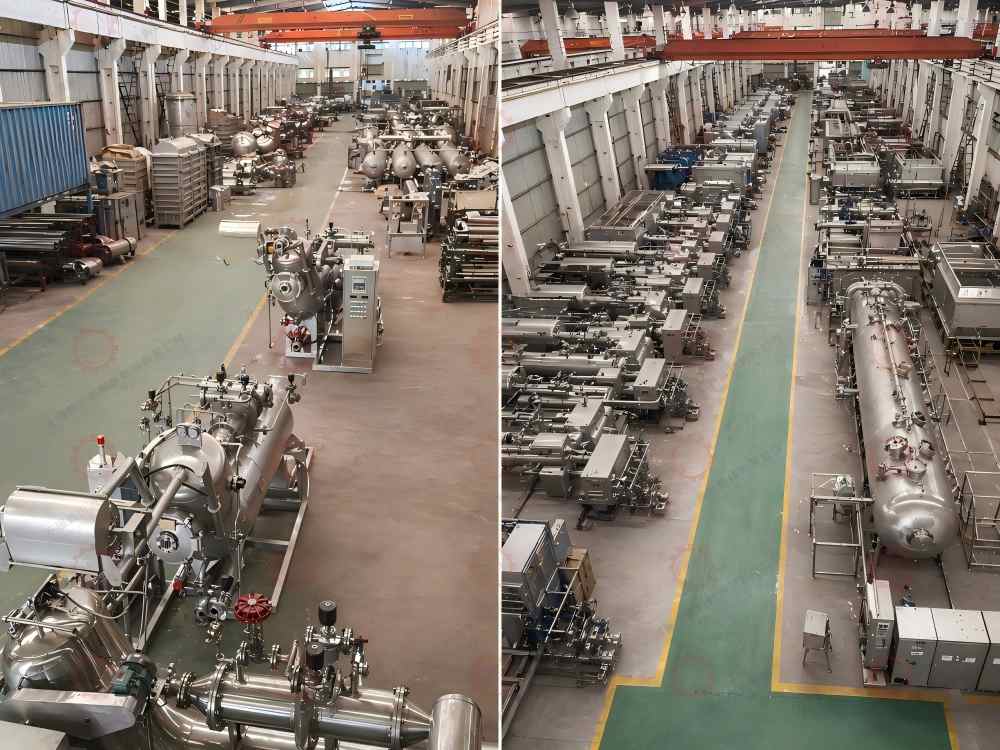
A practical dyeing machine selection should consider machine type, workshop production flow and real processing requirements together.
Practical selection logic: first identify the material form, then confirm fiber and temperature, then check the quality problem you want to solve. Capacity and price should be compared only after these points are clear.
Different textile forms require different liquor circulation and handling methods. Hank yarn needs open and gentle treatment. Cone yarn needs stable penetration through wound packages. Knitted fabric needs smooth movement with controlled tension. Loose fiber needs balanced circulation through the fiber mass.
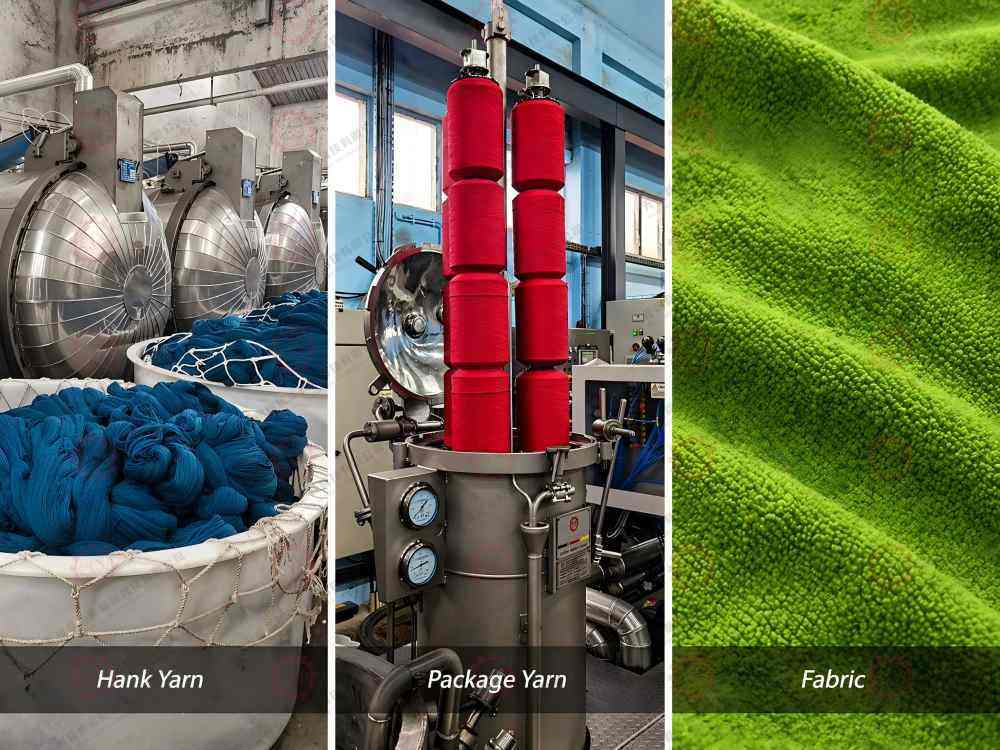
Hank yarn, package yarn and fabric require different dyeing machine structures because the material form affects liquor flow, loading method and handling tension.
| Material in Production | Typical Use | Machine Direction | Key Points to Confirm |
|---|---|---|---|
| Hank / skein yarn | Cotton, wool, acrylic, viscose, fancy yarn and delicate yarn | Hank dyeing machine | Hank size, fiber type, batch capacity, yarn openness and tension control |
| Cone / package yarn | Cotton, polyester, blended yarn and industrial yarn wound on tubes or cones | Cone yarn dyeing machine | Package diameter, winding density, tube height, single package weight and flow direction |
| Knitted fabric | Elastic knits, polyester knits, cotton knits and blended knitted fabric | Knitted fabric dyeing machine | GSM, fabric width, tube loading, crease risk, elongation and low-tension running |
| General fabric | Knitted, woven, synthetic, blended or special fabric dyeing | Fabric dyeing machine | Fabric structure, GSM range, width, loading capacity, liquor flow and fabric movement |
| Loose fiber | Cotton fiber, wool fiber, acrylic fiber or other fiber before spinning | Loose fiber dyeing system | Fiber opening, cage structure, circulation balance, washing and unloading convenience |
Fiber composition decides the dyeing condition. Cotton, wool, acrylic, viscose and polyester do not follow the same process. Some materials can be dyed under normal pressure, while polyester and certain synthetic fibers often need high temperature and high pressure.
This step affects the whole machine structure, including vessel design, sealing method, pump configuration, heating and cooling control, safety protection and automation level.
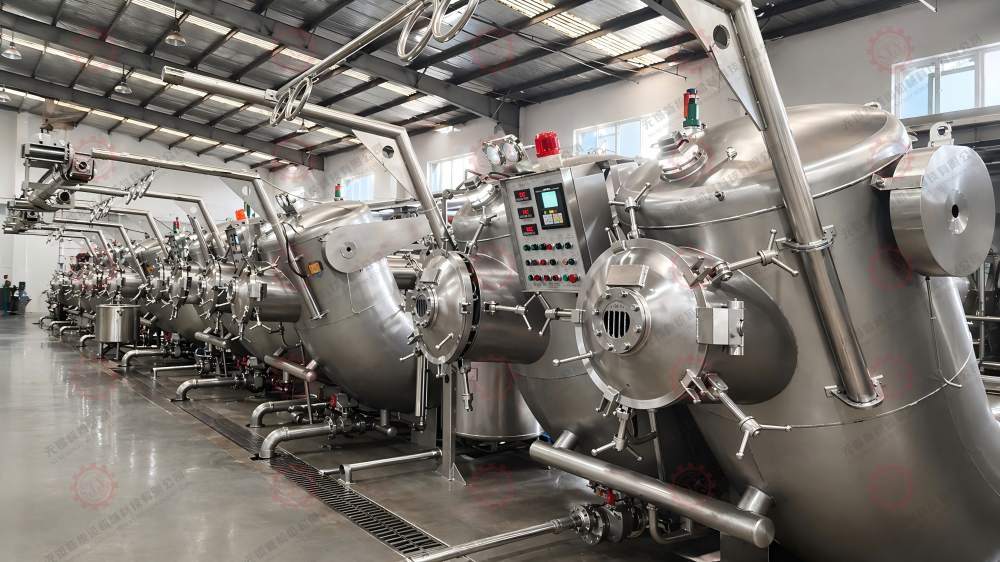
High-temperature and pressure dyeing equipment should be selected according to fiber type, working pressure, sealing design, heating control and safety configuration.
| Fiber / Process Condition | Common Machine Requirement | Selection Focus |
|---|---|---|
| Cotton, viscose and many cellulose yarns | Normal-temperature or process-dependent dyeing | Liquor circulation, washing efficiency, process repeatability and loading flexibility |
| Wool, acrylic and delicate hank yarn | Gentle yarn handling and controlled temperature rise | Lower tension, reduced tangling risk, yarn hand feel and stable dye uptake |
| Polyester and some synthetic fibers | High-temperature and high-pressure dyeing | Vessel strength, sealing reliability, pressure stability and heating efficiency. For polyester hank yarn, review the high temperature hank dyeing machine direction. |
| Blended yarn or blended fabric | Process confirmation before model selection | Fiber ratio, dye class, temperature curve, shade target and washing process |
Many factories already know what they want to improve: shade repeatability, package penetration, fabric crease marks, yarn damage, lower water use or shorter processing time. These problems point to different machine details.
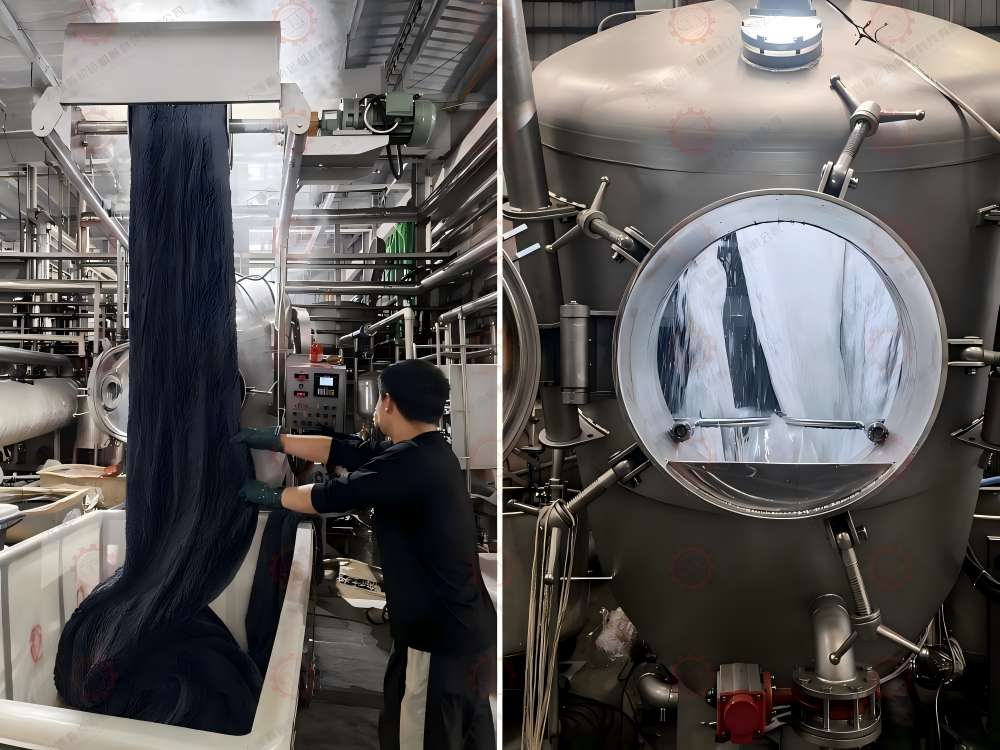
For knitted fabric and crease-sensitive materials, fabric path, internal running condition and low-tension handling are key points in machine selection.
| Production Issue | What to Inspect | Why It Matters |
|---|---|---|
| Batch-to-batch shade difference | Temperature control, liquor circulation, dosing method and automation accuracy | Stable process control helps improve repeatability, especially in regular production. |
| Inside-outside difference in package yarn | Pump capacity, flow direction, carrier design and package density | Dye liquor must penetrate wound packages evenly to avoid uneven shade. |
| Crease marks or deformation on fabric | Fabric path, nozzle design, reel structure, tube loading and low-tension movement | Fabric handling design directly affects rope marks, elongation and surface appearance. |
| Frequent color changes | Small-batch flexibility, cleaning convenience and sample-to-bulk matching | Flexible operation reduces waste when your factory handles many colors or small lots. |
| High operating cost | Liquor ratio, heating speed, cooling efficiency, water use and steam consumption | Lower initial price may not reduce total cost if each batch consumes more utilities. |
Capacity should be calculated from your daily production plan. A larger machine is useful only when your dyeing cycle, color plan, loading method and post-dyeing process can support the same output.
For example, a factory running many small colors may need several flexible machines instead of one large unit. A factory producing regular bulk orders may prefer higher loading capacity, stronger automation and faster heating or cooling. If drying, hydro extraction or rewinding becomes the bottleneck, dyeing capacity alone will not solve the production problem.
Before finalizing capacity, check:
A clear technical brief helps the supplier recommend a practical machine instead of giving a rough price for an unsuitable model. It also makes quotations easier to compare because each supplier is working from the same production data.
| Application | Information to Provide |
|---|---|
| Hank yarn dyeing | Fiber type, hank perimeter or length, hank weight, batch capacity, dyeing temperature, heating method and automation preference |
| Cone / package yarn dyeing | Cone diameter, tube height, yarn winding height, single package weight, package photo, fiber composition and total capacity |
| Fabric dyeing | Fabric composition, GSM, width, structure, batch loading, dyeing temperature and main quality issue |
| Loose fiber dyeing | Fiber type, moisture condition, target batch capacity, cage requirement, loading method and washing requirement |
For export projects, also include voltage, available utilities, destination country and preferred trade term. These details may affect motor selection, control cabinet design, packing method and final delivery plan.
Use the following flow before comparing quotations. It keeps the decision focused on process suitability instead of model names alone.
The right dyeing machine is the one that fits your material form, fiber type, dyeing condition, batch plan and quality target. A strong model name or low purchase price does not guarantee stable production.
If your priority is shade repeatability, focus on circulation, dosing and temperature control. If your problem is package penetration, check winding data and flow design. If knitted fabric quality is the concern, fabric movement and low-tension handling deserve close attention. Once your process is clear, machine selection becomes more accurate and quotation comparison becomes more meaningful.
Share your material type, fiber composition, batch capacity, dyeing temperature and main production problem. Our team can help review the process and recommend a suitable machine direction.
No. Capacity should be checked after material form, fiber type, dyeing temperature and process requirement are clear. Otherwise, the machine may look suitable on paper but fail to match real production.
Hank yarn usually needs a hank dyeing machine because the yarn stays in skein form and requires gentle treatment. Fiber type, hank size, batch capacity and dyeing temperature should be confirmed before selecting normal-temperature or high-temperature design.
Cone diameter, tube height, yarn winding height, single package weight, package photo and fiber composition are important. These details affect carrier design, spindle arrangement, flow penetration and real loading capacity.
Knitted fabric selection should start from fabric composition, GSM, width, structure and batch loading. For elastic or crease-sensitive fabric, low-tension running, smooth fabric transport and stable liquor flow are especially important.
Not always. A lower purchase price may lead to higher operating cost if the machine has poor circulation, slow heating, unstable control or frequent maintenance. Process suitability should be compared together with price.

