
Published: Feb 17, 2025
Updated: Apr 21, 2026
Author: Wuxi Shin Tong Yunn Editorial Team
The first shipment after Spring Festival is always a meaningful start to the new production season. For export dyeing machine projects, it marks not only a new round of deliveries, but also the restart of practical factory planning on the customer side.
In this shipment to Pakistan, two different normal temperature hank dyeing machines were prepared for delivery: one Y series cabinet-type machine and one SH series spray-type machine. Although both belong to the same general category of normal temperature hank dyeing machines, they are not exactly the same in practical use, yarn suitability or processing focus.
That is also what makes this shipment worth recording. It was not simply a case of sending two machines of similar function. The final combination reflected a more practical selection based on actual dyeing needs, yarn style and the expected yarn condition after dyeing.
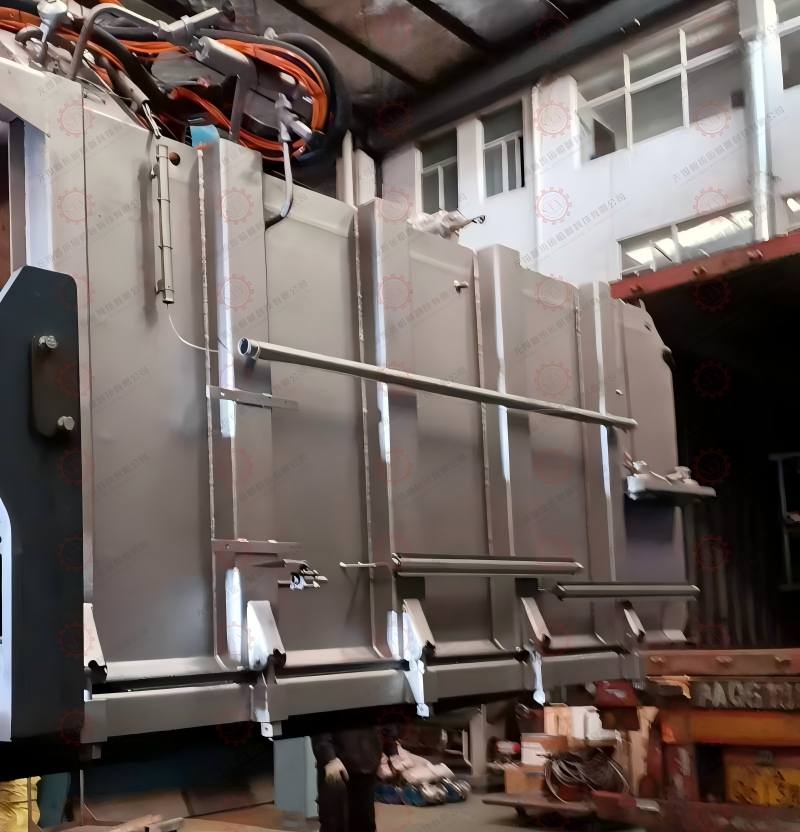
Y series cabinet-type normal temperature hank dyeing machine being loaded for shipment to Pakistan.
Although both machines in this shipment are normal temperature hank dyeing machines, different machine structures are usually selected according to yarn characteristics, the required dyeing result and the customer's actual production arrangement.
In practical dyehouse use, Y series cabinet-type normal temperature hank dyeing machines are usually more suitable for mercerized cotton, high bulky acrylic, wool yarn used for fine garment applications, high-quality wool yarn for premium carpet production, or other yarns that require better hank roundness and a more stable yarn form after dyeing.
SH series spray-type normal temperature hank dyeing machines, on the other hand, are often valued for their much lower liquor ratio compared with Y series machines. In actual production planning, this can become an important factor when the buyer pays more attention to lower water use, lower bath volume and more economical process operation.
For this reason, the customer in this Pakistan shipment selected both cabinet-type and spray-type machines instead of relying on only one structure for all dyeing work. The combination makes the overall setup more practical for different yarn styles and different workshop needs within the same project.
At the same time, it is also worth noting that both Y series cabinet hank dyeing machines and SH series spray hank dyeing machines are generally not recommended for polyester dyeing. In actual machine selection, the suitable solution should be matched to fiber characteristics and the final dyeing requirement, rather than chosen only by one standard machine concept.
In this shipment, the Y series cabinet-type machine formed an important part of the customer's production setup. This type of machine is often considered when the dyed hank needs better yarn form retention and a higher requirement for hank roundness after dyeing.
From a practical point of view, this is one reason why Y series machines are commonly considered for mercerized cotton, high bulky acrylic and higher-grade wool yarn applications. For customers who pay special attention to the final yarn appearance after dyeing, the cabinet-type structure remains an important option.
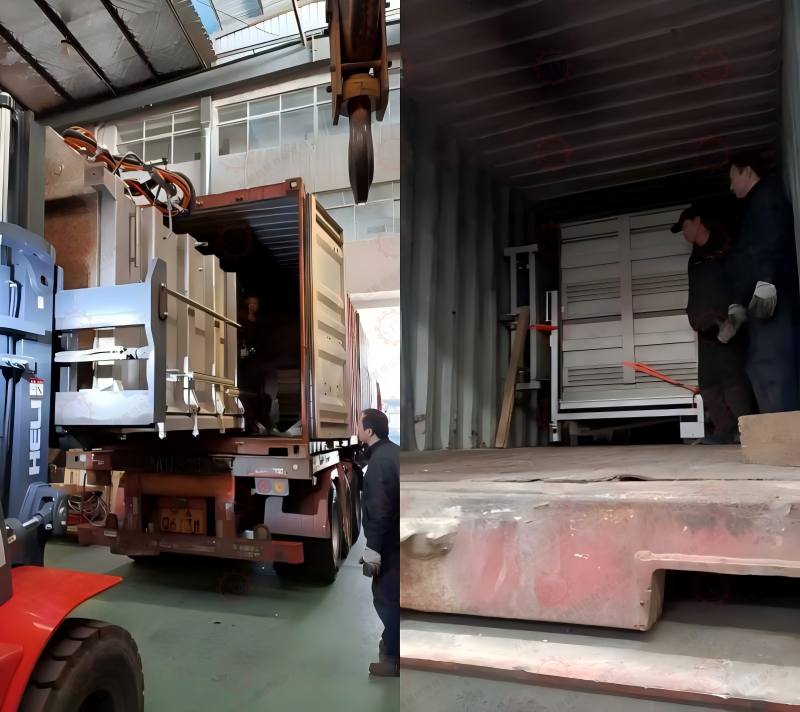
Y series cabinet-type machine prepared for export loading before shipment.
Readers who want to review the detailed product information can continue to the cabinet type hank yarn dyeing machine page.
The SH series spray-type machine played the second role in this shipment. Compared with Y series machines, SH series machines are usually associated with a much lower liquor ratio, which is a meaningful advantage in projects where bath volume and process economy are taken seriously.
This does not mean the two machine types replace each other completely. Instead, they reflect two different priorities in practical dyeing work. One side may pay more attention to the final yarn form and hank roundness after dyeing, while the other side may place more weight on a lower liquor ratio and a more economical running condition.
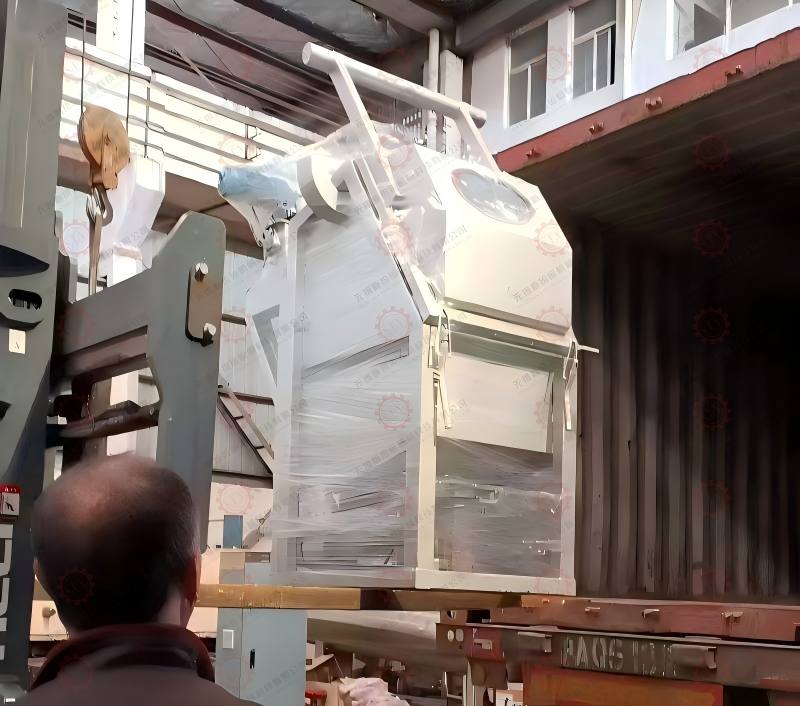
SH series spray-type normal temperature hank dyeing machine during container loading.
That is why the spray-type machine in this shipment should not be understood as a duplicate of the cabinet-type machine. It was part of a more targeted production arrangement. Readers who want to review the detailed product information can continue to the spray skein hank yarn dyeing machine page.
| Item | Y Series Cabinet Type | SH Series Spray Type |
|---|---|---|
| General role in this shipment | Support dyeing work where better yarn form and hank roundness are more important | Support dyeing work where a lower liquor ratio is a more practical advantage |
| Typical suitable yarn examples | Mercerized cotton, high bulky acrylic, fine wool yarn, premium carpet wool yarn | Selected according to actual dyeing arrangement and process preference |
| Practical focus | Better yarn style and hank roundness after dyeing | Much lower liquor ratio than Y series in practical operation |
| Polyester dyeing | Generally not recommended | Generally not recommended |
This Pakistan shipment reflects a practical approach to machine selection in normal temperature hank dyeing. Although both machines belong to the same general category, the customer did not simply choose one standard structure for all work. Instead, the shipment combined two different machine types for different production needs.
That is what makes this delivery worth noting. It is not only a record of export shipment, but also a real example of how machine structure can be matched more carefully to yarn style, dyeing target and workshop use.
For export projects, shipment is not only about loading the machine and arranging container space. Proper preparation before shipment helps reduce confusion after arrival and supports smoother unloading, installation and commissioning at the customer's factory.
Before delivery, export projects should pay attention to several important points:
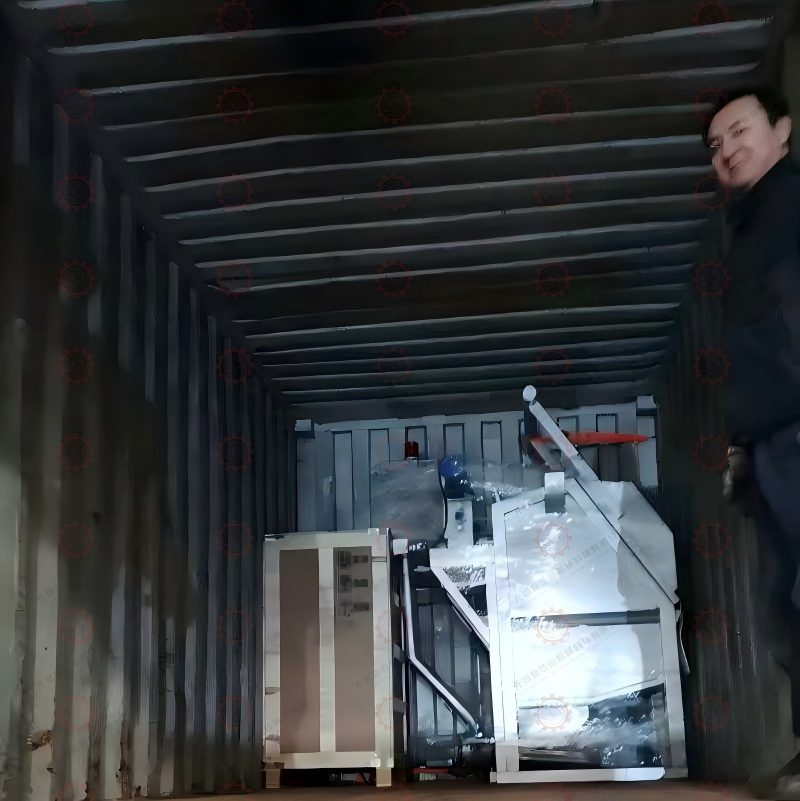
The machine secured inside the container before export shipment.
Readers who want a more detailed checklist can also read how to prepare yarn dyeing machines for export before shipment .
The first shipment after Spring Festival is not only a routine export update. In this Pakistan delivery, one Y series cabinet-type machine and one SH series spray-type machine were shipped as part of a more practical and targeted production solution.
The two machines belong to the same normal temperature hank dyeing category, but they reflect different priorities in real production use. Y series machines are often preferred when yarn style and hank roundness after dyeing matter more, while SH series machines are also valued because their liquor ratio is usually much lower than that of Y series machines in practical operation.
This shipment therefore represents more than a simple export record. It shows how different machine structures can be combined more practically according to yarn requirements and workshop needs.
Because the customer needed a more practical machine combination for different yarn styles, dyeing targets and production arrangements instead of relying on only one machine structure.
In practical use, they are usually more suitable for mercerized cotton, high bulky acrylic, fine wool yarn for garments, high-quality wool yarn for premium carpet production, and other yarns that require better hank roundness and yarn form after dyeing.
One important difference is that SH series machines usually work with a much lower liquor ratio than Y series machines, while Y series machines are often preferred when better yarn style and hank roundness after dyeing are more important.
Generally, both machine types are not recommended for polyester dyeing. The suitable machine should be selected according to fiber characteristics and the final dyeing requirement.
Factory testing, packing confirmation, accessory checking, cable and pipe identification, and installation-related shipment information should all be confirmed before export.
Because this page should connect to related product pages and technical content, helping users and search engines understand the relationship between shipment news, machine details and export preparation.

