Fabric Dyeing Machine Application
A fabric dyeing machine should not be selected only by capacity or price. Fabric type, GSM, width, elasticity, fabric hand feel, liquor ratio, running tension, dyeing temperature and production target all affect the final dyeing result.
Not sure whether to choose soft-flow, top-running overflow or lower-running overflow jet dyeing machine? Send your fabric details and we will help you compare the suitable structure before quotation.
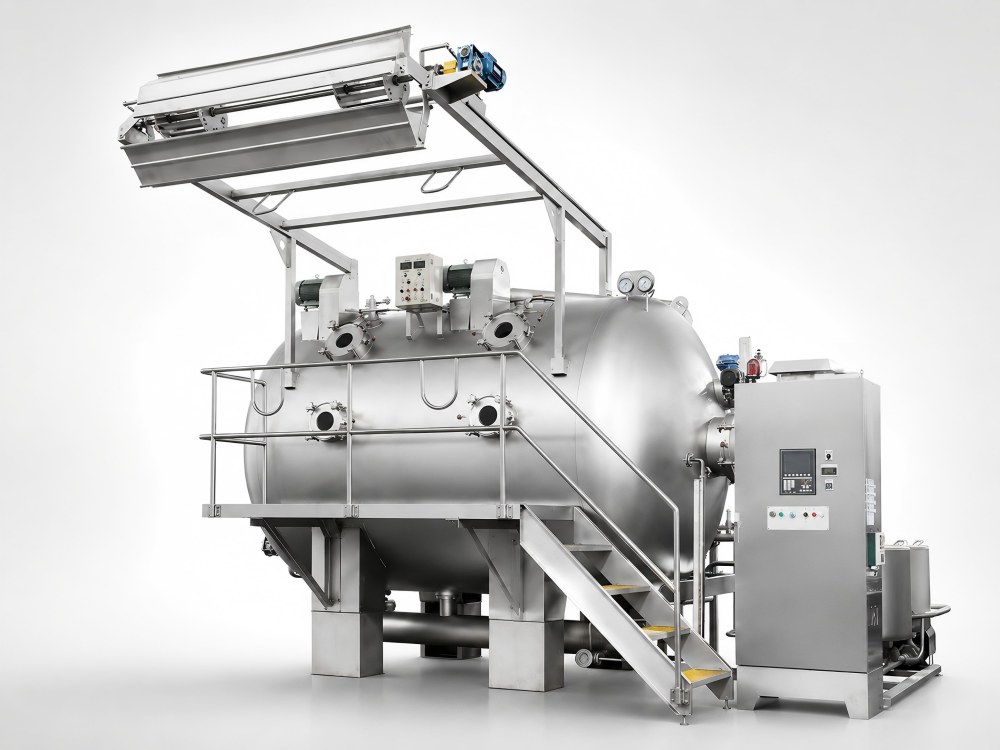
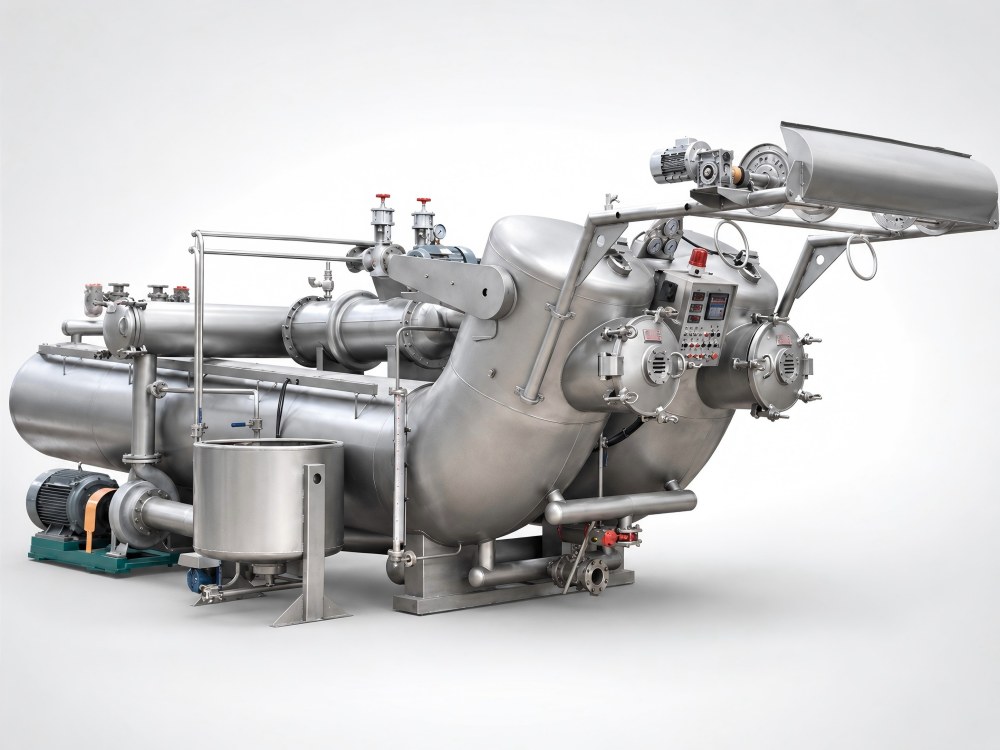
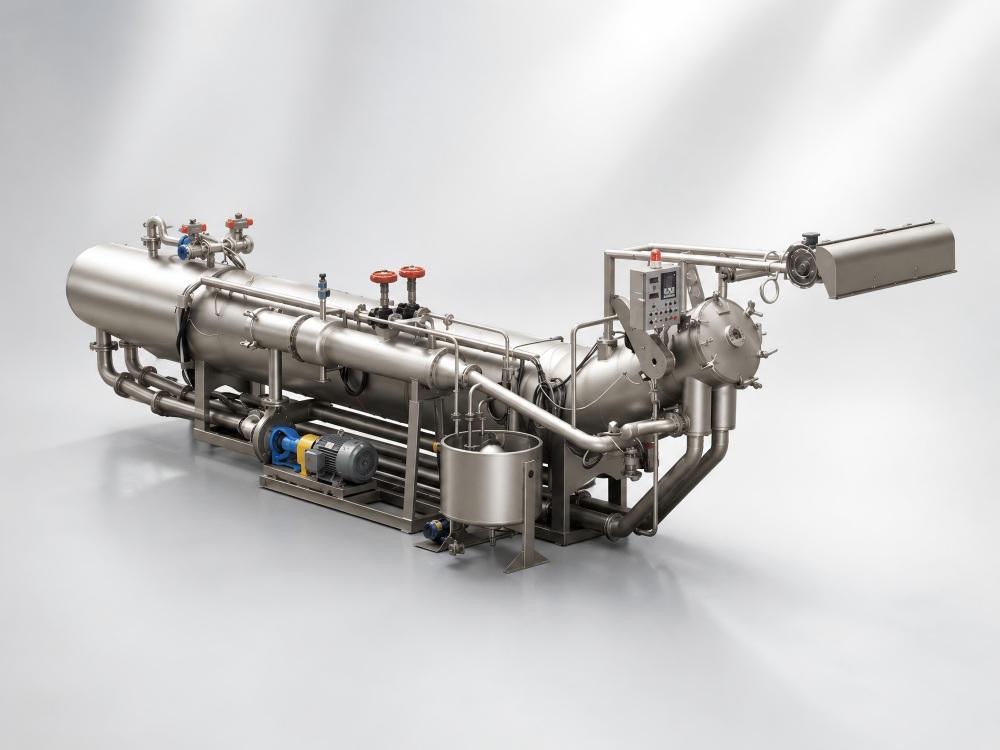
Wuxi Shin Tong Yunn provides different fabric dyeing machine structures for different applications, including TY-SF soft-flow hidden lifting wheel dyeing machine, TY-JL636 top-running overflow fabric dyeing machine, and TY-JL631 / TY-JL656 lower-running overflow jet dyeing machine mainly for woven fabric dyeing.
In fabric dyeing, the machine structure directly affects fabric movement, dye liquor exchange, running tension, crease control, fabric surface protection and operating cost. A machine that performs well for one fabric may not be the best choice for another fabric.
For knitted and elastic fabrics, lower tension, smoother circulation and better hand feel are often important. For woven fabric dyeing, stronger liquor exchange, stable fabric running and efficient circulation are usually more important.
The final model should be confirmed according to fabric GSM, width, structure, elasticity, surface sensitivity, loading condition and dyeing process. This is why fabric dyeing machine selection should start from the real fabric application, not only from the machine name.
We first understand your fabric type, GSM, width, batch capacity, dyeing temperature, quality requirement and current production problems, then recommend the suitable fabric dyeing machine structure and configuration.
TY-SF, TY-JL636 and TY-JL631 / TY-JL656 are not simply different model names. They represent different fabric running structures, GSM application ranges and production priorities.
The buyer focuses on lower liquor ratio, full-automatic control, water saving, steam saving and knitted fabric dyeing within about 50–350 GSM.
The buyer needs a wider fabric range, about 50–2000 GSM, with soft hand feel, gentler top-running movement and better surface protection.
The buyer focuses on woven fabric dyeing, stronger nozzle-driven circulation, active dye liquor exchange and production efficiency.
TY-SF, TY-JL636 and TY-JL631 / TY-JL656 are designed for different fabric structures, GSM ranges and dyeing priorities. The suitable model should be selected according to fabric type, running tension, liquor ratio requirement, fabric hand feel and production target.
Nozzle pressure and liquor flow should match the fabric structure. Stronger nozzle-driven circulation can improve liquor exchange for woven fabrics, but delicate knitted or elastic fabrics may require gentler flow to reduce stretching, surface marks and deformation.
This is one of the key differences between soft-flow, top-running overflow and lower-running overflow jet dyeing machines. The correct choice is not only about whether the machine can dye the fabric, but whether the fabric can run smoothly and repeatedly under the required process conditions.
Knitted, elastic and delicate fabrics often need smoother liquor assistance and lower running tension to reduce stretching, surface marks and hand feel damage.
Woven fabrics with more stable structure can usually accept stronger circulation, which helps improve dye liquor exchange and production efficiency.
Nozzle effect, pump flow, liquor ratio, fabric speed and loading condition should be evaluated together before confirming the machine structure.
The right fabric dyeing machine should be selected according to fabric type, fabric structure, GSM range, hand feel requirement, liquor ratio target, control system preference and production purpose.
| Selection Point | TY-SF Soft-Flow Hidden Lifting Wheel | TY-JL636 Top-Running Overflow | TY-JL631 / TY-JL656 Lower-Running Overflow Jet |
|---|---|---|---|
| Main Application | Knitted and elastic fabric dyeing | Knitted, elastic, delicate, cleaning cloth, towel fabric and selected home textile fabric dyeing | Mainly woven fabric dyeing |
| Applicable GSM Range | About 50–350 GSM | About 50–2000 GSM | Confirmed according to woven fabric type, GSM, width and process requirement |
| Fabric Movement | Soft-flow movement with hidden lifting wheel structure | Top-running movement with lifting reel and mild liquor flow assistance | Lower-running movement driven by nozzle jet, guide tube and lifting reel circulation |
| Liquor Ratio | Usually lower than TY-JL636 under comparable production conditions | Usually higher than TY-SF, but wider in fabric application range | Depends on fabric type, machine configuration, loading and process requirement |
| Fabric Hand Feel | Good, with soft-flow circulation and low tension | Often preferred when soft hand feel and gentle treatment are the first priorities | Focuses more on dye liquor exchange and woven fabric production efficiency |
| Control System | Full-automatic control system; HG or SEDO controller optional | Semi-automatic or full-automatic control system optional | Configured according to production requirement and budget |
| Main Advantage | Lower liquor ratio, automation, water saving and energy saving | Wider GSM range, soft hand feel, gentle fabric movement and surface protection | Stronger circulation, active liquor exchange and woven fabric adaptability |
| Recommended When | The buyer focuses on lower liquor ratio, full automation and operating cost control within the suitable GSM range | The buyer needs wider fabric coverage, soft hand feel, low tension and premium fabric quality | The buyer focuses on woven fabric dyeing, dyeing uniformity and efficient circulation |
Different fabric dyeing problems require different machine structures. Before recommending TY-SF, TY-JL636, TY-JL631 or TY-JL656, we usually check the following production risks.
Related to fabric running path, guide tube design, stacking condition, cooling process and fabric tension.
Elastic and knitted fabrics need lower tension and smoother circulation to reduce deformation.
Delicate fabric surfaces may require soft-flow or gentler top-running movement instead of strong impact.
Dyeing uniformity is affected by liquor exchange, fabric circulation, nozzle design, loading and process control.
Liquor ratio, heating efficiency, washing process and loading condition affect long-term operating cost.
A machine that works well for one fabric may not be the best choice for another fabric with different GSM, width, elasticity or surface requirement.
To avoid unsuitable machine selection, we do not recommend a fabric dyeing machine only by model name. We first check the real production conditions and then match the machine structure.
Knitted or woven, elastic or non-elastic, delicate or stable fabric structure.
GSM, fabric width, material composition, spandex content and surface requirement.
Crease control, hand feel, surface quality, shrinkage and dimensional stability.
Crease marks, fabric stretching, uneven dyeing, surface damage or high water consumption.
Required kg per batch, daily production target and future capacity plan.
Normal temperature or high temperature dyeing, washing process and heating method.
Semi-automatic or full-automatic control, controller brand, dosing system and electrical configuration.
Current machine type, current liquor ratio, main production problem and planned improvement direction.
Automatic control is useful when the dyehouse needs more repeatable process execution, more stable heating curves, controlled dosing steps and reduced operator differences between shifts.
TY-SF is equipped with a full-automatic control system, with domestic HG series or SEDO controller optional. TY-JL636 can be configured with semi-automatic or full-automatic control system, giving customers more flexibility when balancing budget, operation habit and automation requirement.
For knitted fabric dyeing, TY-SF and TY-JL636 can both be considered, but the selection priority is different. TY-SF is more suitable when lower liquor ratio, automation and operating cost control are important within about 50–350 GSM. TY-JL636 is more suitable when wider GSM range, fabric hand feel, gentle treatment and fabric surface quality are more important.
For woven fabric dyeing, TY-JL631 and TY-JL656 are usually more suitable because their lower-running overflow jet structure provides stronger circulation and more active dye liquor exchange. This is the essential difference between TY-JL631 / TY-JL656 and TY-SF / TY-JL636.
Wuxi Shin Tong Yunn Machinery Technology Co., Ltd. focuses on practical fabric dyeing machine selection for real dyehouse production. We help customers compare different machine structures according to actual fabric and process requirements, instead of recommending one model for all applications.
For fabric dyeing machine buyers, the right machine selection is only the first step. Installation support, operation guidance, spare parts supply and after-sales communication are also important for stable long-term production.
We evaluate fabric type, GSM, width, tension sensitivity, dyeing temperature and process requirement before recommending the machine.
TY-SF, TY-JL636 and TY-JL631 / TY-JL656 are selected according to fabric movement, liquor flow, GSM range, fabric hand feel and production priority.
We help customers reduce the risk of buying an unsuitable dyeing machine and facing production problems later.
We provide operation manuals, installation and commissioning guidance, spare parts list, remote technical communication and troubleshooting support.
To recommend a suitable fabric dyeing machine, please send us the following information. This helps us judge whether TY-SF, TY-JL636, TY-JL631 or TY-JL656 is more suitable for your production.
TY-SF and TY-JL636 can both be used for knitted fabric dyeing, but their priorities are different. TY-SF is more suitable for about 50–350 GSM fabric range and usually has a lower liquor ratio under comparable production conditions. TY-JL636 has a wider applicable fabric range, about 50–2000 GSM, and may be more suitable when soft hand feel, wider fabric adaptability and gentle fabric treatment are the first priorities.
TY-SF is equipped with a full-automatic control system. The controller can be selected from domestic HG series or SEDO series according to the customer's automation requirement, operating habit and budget.
Yes. TY-JL636 can be configured with semi-automatic or full-automatic control system. This gives customers more flexibility when balancing machine budget, operation habit and automation requirement.
TY-JL631 and TY-JL656 are mainly recommended for woven fabric dyeing. For knitted or elastic fabrics with high tension sensitivity, TY-SF or TY-JL636 is usually considered first because they provide gentler fabric movement and lower running tension.
TY-SF is more suitable when the buyer gives higher priority to lower liquor ratio, water saving, steam saving, auxiliary saving and full-automatic production within about 50–350 GSM fabric range.
TY-JL636 is more suitable when the buyer needs wider fabric coverage, about 50–2000 GSM, and gives higher priority to soft hand feel, gentle fabric movement, reduced stretching and better fabric surface quality.
TY-JL631 and TY-JL656 are mainly recommended when woven fabric dyeing requires stronger nozzle-driven circulation, active dye liquor exchange, stable fabric movement and efficient production.
You can first send fabric photos, fabric type, approximate GSM, width, material and required kg per batch. If some details are not confirmed, we can help you check step by step before recommending the machine.
Yes. We provide operation manuals, installation and commissioning guidance, spare parts list, remote technical communication and troubleshooting support for daily production issues.
Send us your fabric specification and dyeing requirement. We will help you compare TY-SF, TY-JL636, TY-JL631 and TY-JL656, then recommend a suitable machine structure and configuration for your production.