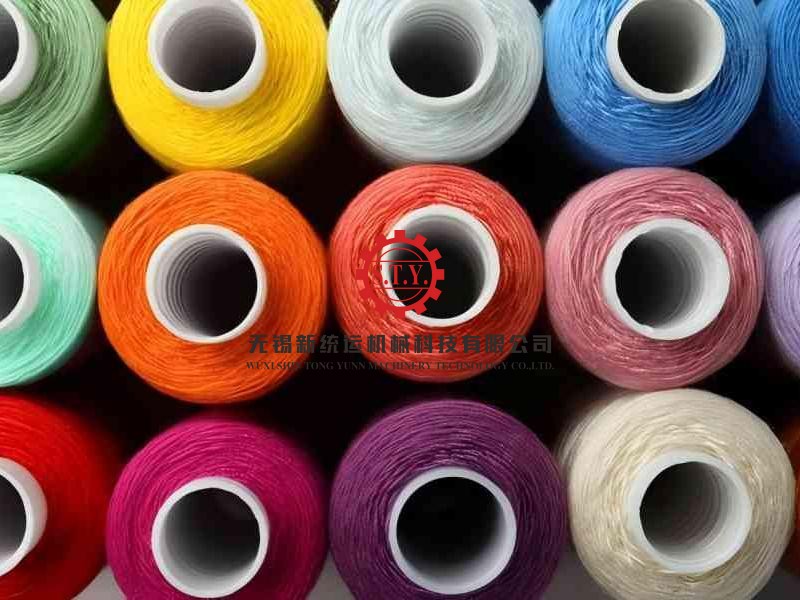
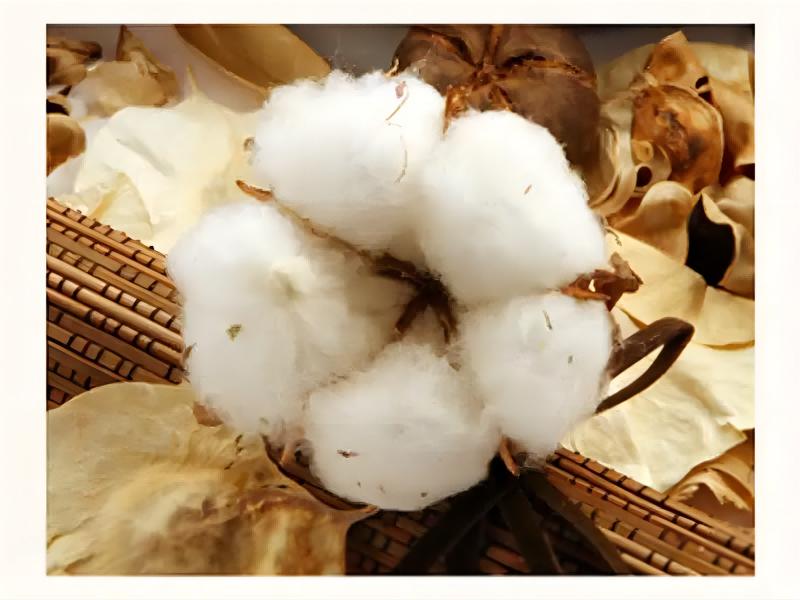
Cotton cone yarn dyeing, process mainly consists of the following five steps:
PRETREATMENT
This step primarily removes natural impurities (cottonseed hulls, waxy substances, etc.) and pigmentum from the yarn, enhancing its whiteness and capillary effect to create conditions for dyeing process...
Fabric Knowledge
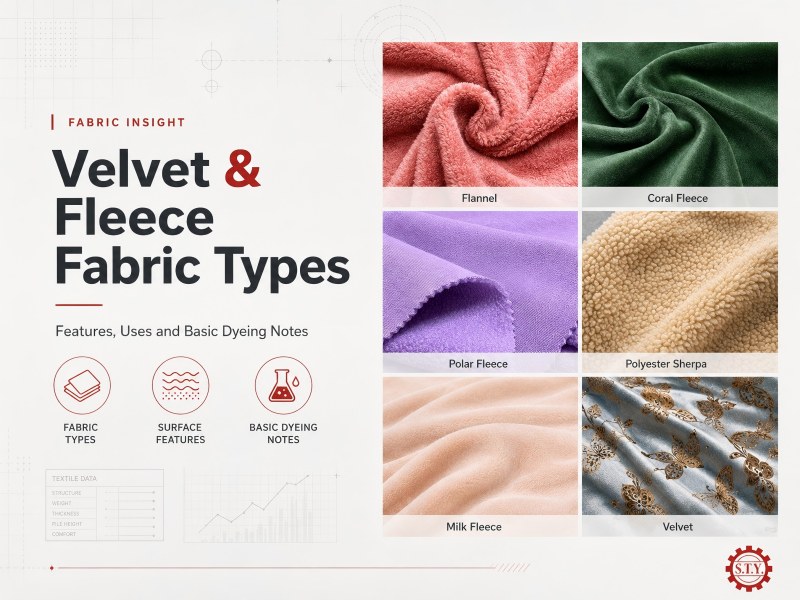
Velvet and Fleece Fabric Types: Features, Uses and Basic Dyeing Notes
Velvet, fleece and brushed fabrics are widely used in garments, blankets, upholstery and home textiles. These fabrics often look similar from the surface, but their fiber composition, fabric weight, pile struct...
Acrylic, known as "Orlon" in the United States and "Acrilan" or "Cashmilon" in other countries, it is the commercial name for polyacrylonitrile in China. It's one of three major types of synthetic fiber, ranking third in production after polyester and nylon. Soft, lightweight, warm, corrosion-resist...
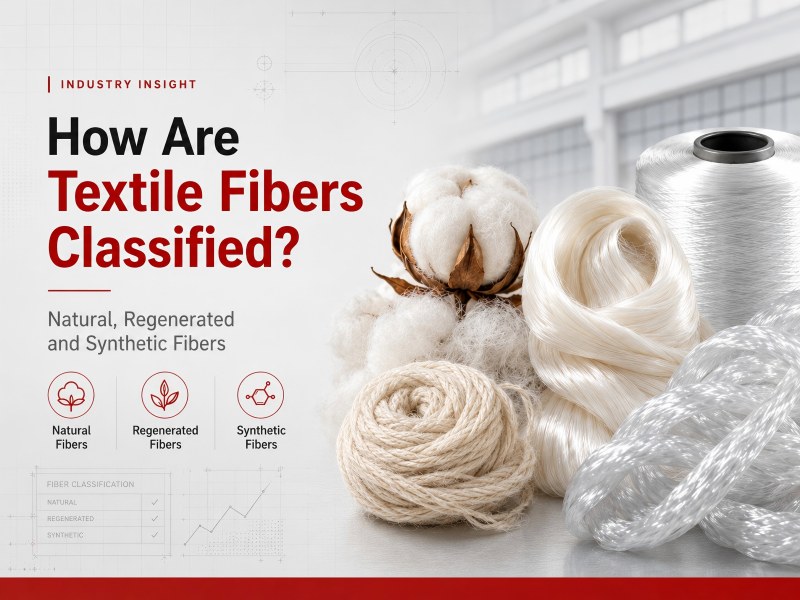
Understanding Textile Fiber Classification
Textile fibers are the basic materials used to produce yarns, fabrics, garments, home textiles and industrial textiles. They can come from natural sources, such as cotton, wool and silk, or they can be made by chemical and industrial processes, such as po...
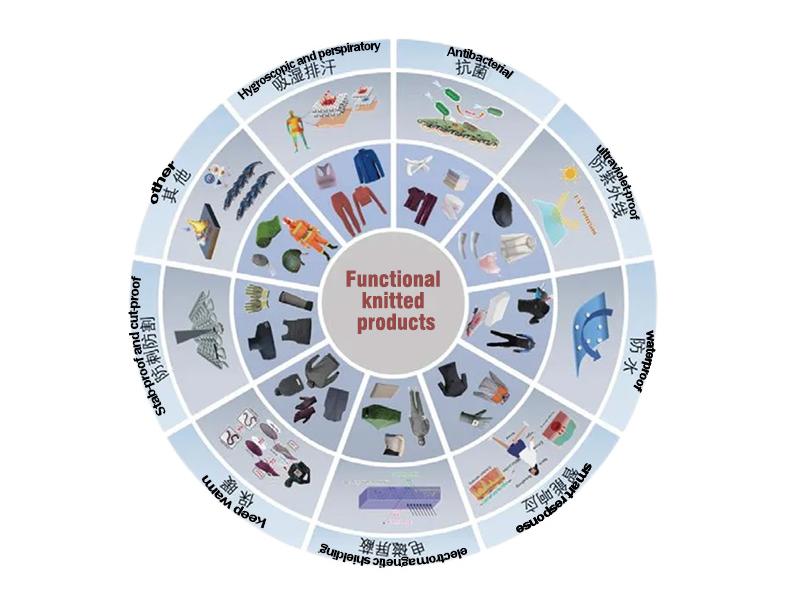
Knitting products are widely used in the three major fields of wear, decoration and industrial use, forming a relatively complete knitting industry chain. Functional knitting products include sports apparel, medical assistance products, military defense supplies & fashion apparel developed t...
In order to fully improve the added value of colored product, except add patten, high-count yarn & blended yarn and special dyeing process can also be used to achieve a unique style of colored cloth. Pure cotton blended yarn-dyed fabric: soft feel, breathable, strong water absorption. In recent...