
For many dyeing factories, machine selection has long been driven by one question: which supplier gives the lowest price? But as textile standards move toward green manufacturing, safety, digital process control and more standardized production, this question is no longer enough.
Under stricter textile standards, the cheapest dyeing machine may not be the lowest-cost choice in daily production.
In March 2026, China released the Action Plan for Textile Industry Optimization and Upgrading Led by Standards (2026–2028). The plan was jointly issued by the Ministry of Industry and Information Technology, the Ministry of Ecology and Environment and the State Administration for Market Regulation.
According to the official interpretation, China aims to develop or revise more than 300 national standards related to diversified textile applications, digital transformation, green and low-carbon development, health and safety and other key areas by 2028.
For dyehouses, fabric mills and textile manufacturers, this is not only a policy update. It is a clear signal that production cost, process stability, environmental performance and equipment configuration will become more important in future competition.
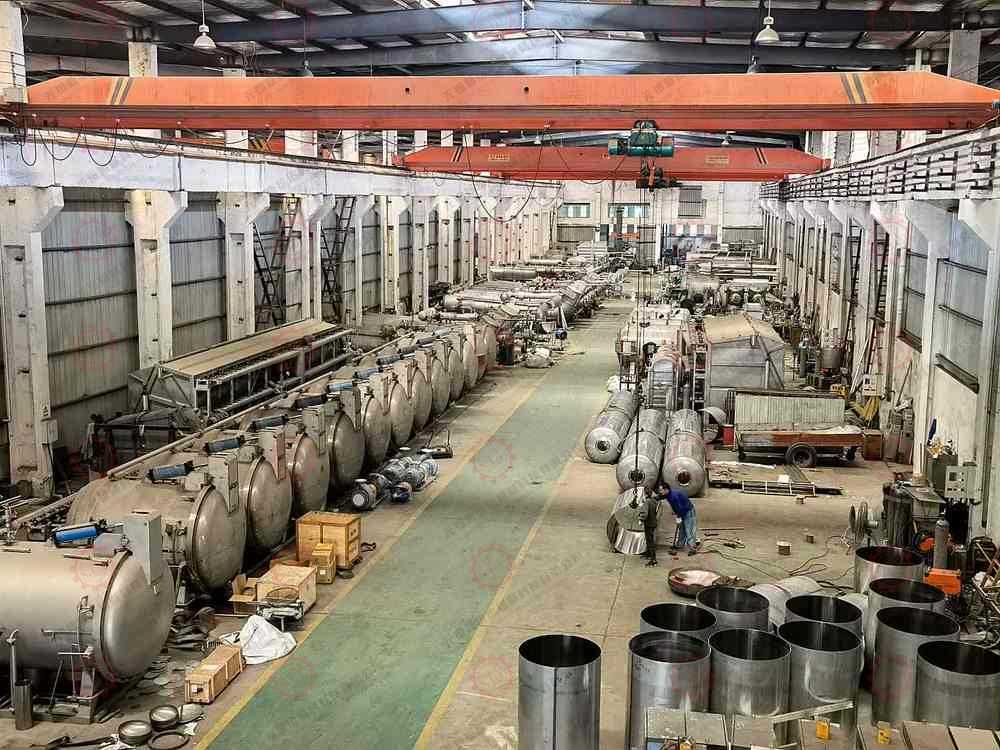
The action plan covers several directions, including new textile materials, digital transformation, green and low-carbon production, health and safety, standard implementation and international standard alignment.
For dyeing and finishing companies, two areas deserve special attention:
Dyeing is one of the most resource-intensive steps in textile processing. It involves water, steam, electricity, dyes, auxiliaries, wastewater treatment and repeated process control. When standards become clearer and stricter, dyehouses cannot only focus on whether a machine can complete dyeing. They also need to consider how stable, efficient and controllable the dyeing process is.
In many equipment purchases, the first comparison is still price. This is understandable. New dyehouses, small factories and trading companies helping end users source machines often need to control the initial investment.
However, a low quotation does not always mean a lower total cost. Two dyeing machines may look similar from the outside, but the internal structure, pump capacity, heating design, liquor circulation, control system and safety configuration may be very different.
If key design factors are reduced only to make the price look attractive, the dyehouse may later face higher water consumption, higher steam consumption, uneven dyeing, longer process time, more shade correction, more maintenance pressure or more production instability.
In this situation, the machine is not really cheap. The cost is simply moved from the purchase stage to the production stage.
Future dyeing machine selection should be more process-based. Before comparing prices, dyehouses should first confirm the actual production needs: yarn or fabric type, dyeing temperature, batch capacity, loading method, color change frequency, heating method and control requirement.
After that, the following machine factors should be checked carefully:
| Selection Factor | Why It Matters in Production |
|---|---|
| Liquor ratio | A suitable liquor ratio can help reduce water, steam, electricity, auxiliaries and wastewater volume. |
| Pump flow | Stable pump flow supports even dye liquor circulation and helps reduce shade variation. |
| Circulation design | Good circulation design is essential for level dyeing, repeatability and shorter correction time. |
| Heating efficiency | Efficient heating helps reduce steam or energy consumption and supports stable temperature control. |
| Nozzle, spray or overflow structure | The way dye liquor contacts yarn or fabric directly affects dyeing quality and material movement. |
| Pressure and safety design | For high-temperature dyeing, pressure design, safety valves and vessel structure are critical for safe operation. |
| Control system | Semi-automatic or automatic control helps reduce operator differences and improve process consistency. |
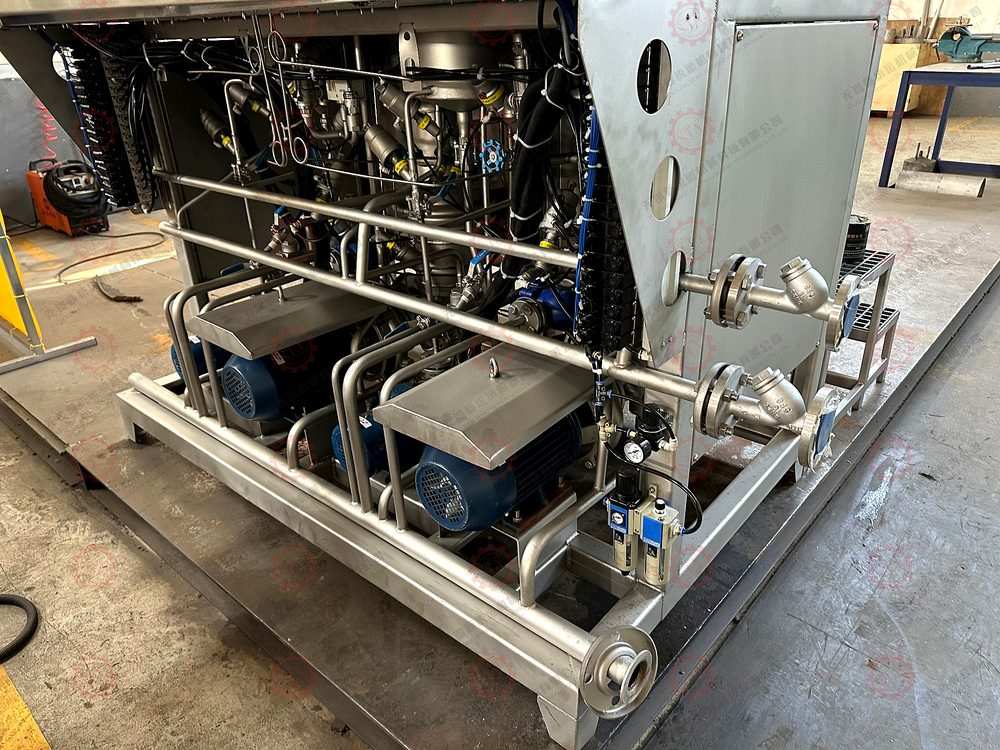
Low liquor ratio is one of the most direct topics connected with green dyeing. A lower and properly designed liquor ratio can help reduce water consumption first. It can also help reduce steam, electricity, auxiliaries and wastewater load.
But dyehouses should not compare liquor ratio numbers mechanically across different machine types. A spray-type hank yarn dyeing machine, a cabinet-type overflow hank dyeing machine, a cone yarn dyeing machine and a fabric overflow dyeing machine have different structures, loading methods and circulation principles. Their reasonable liquor ratio ranges are not the same.
A low liquor ratio is valuable only when it is supported by stable circulation, suitable pump flow and proper machine structure. If the liquor ratio is reduced only for quotation comparison, it may create dyeing instability rather than real savings.
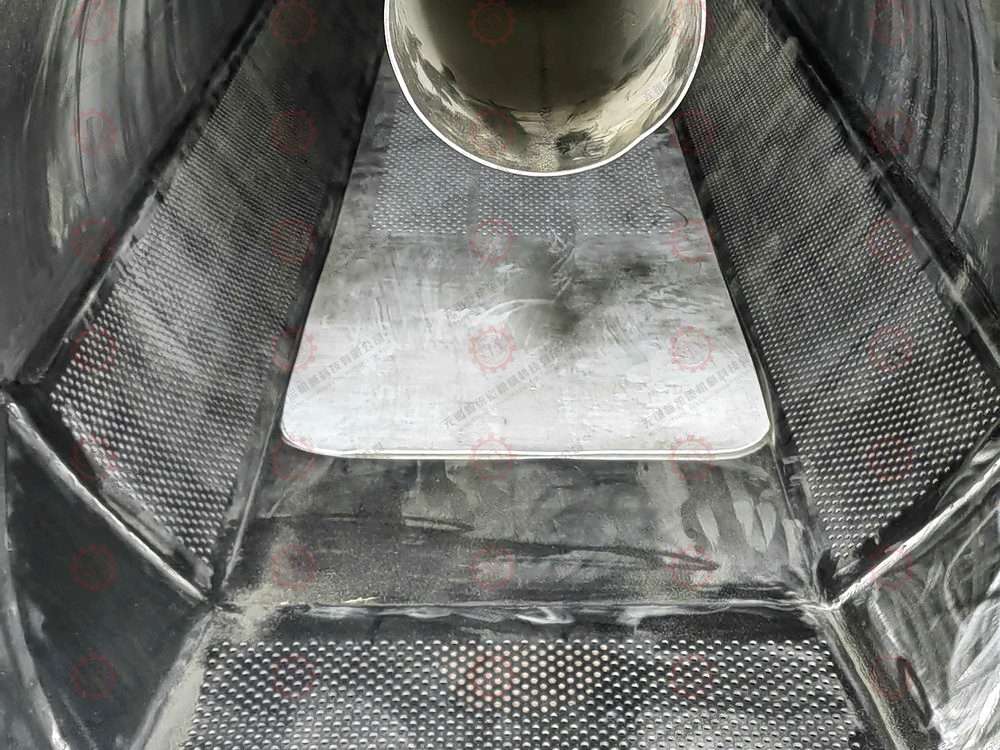
The better question is not simply “Which machine has the lowest liquor ratio?” The better question is: Is this liquor ratio suitable for the textile material, loading condition, machine structure and dyeing process?
For this reason, liquor ratio should be evaluated together with pump flow, circulation design, heating efficiency, spray or overflow structure, batch loading and actual dyeing purpose.
The new standards plan also highlights digital transformation. For many practical dyehouses, digitalization does not need to start from a fully smart factory. A more realistic first step is to make the dyeing process more standardized and repeatable.
Semi-automatic or automatic control systems can help different operators follow the same process steps, especially in dyehouses handling small batches, many colors and frequent shade changes.
When temperature rise, holding time, circulation, dosing and process steps are controlled more consistently, the dyehouse can reduce human error, improve shade repeatability and make production management easier.
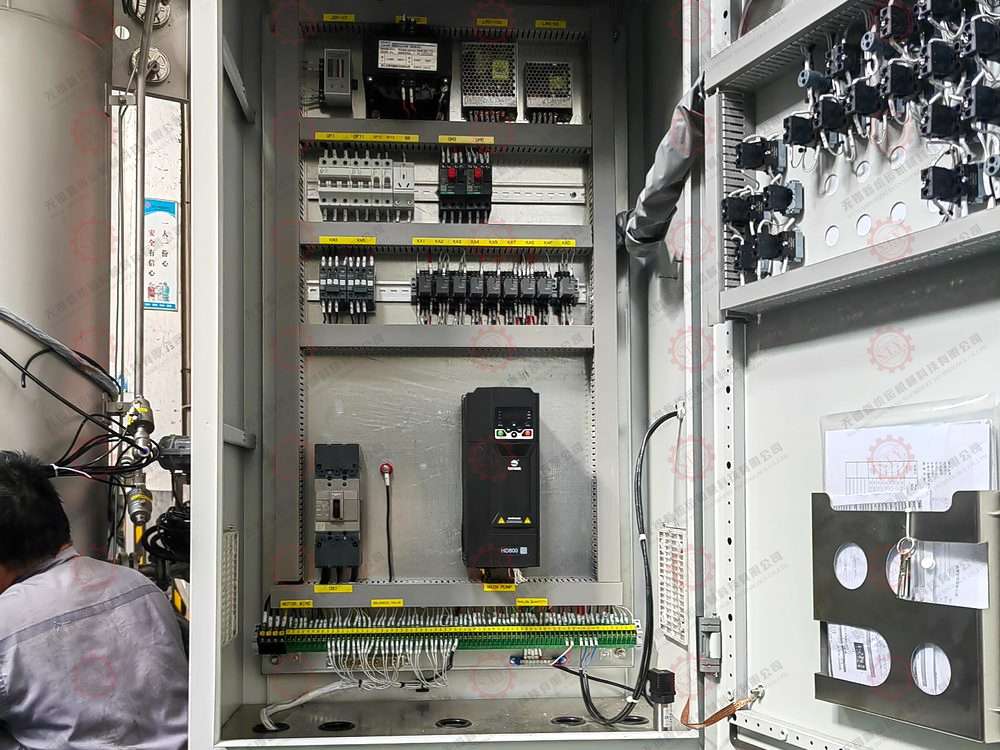
Configuration can be adjusted according to budget. For some projects, the control system level, automation degree or electrical component brand may be adjusted. Smaller or more basic models may also be considered when the customer’s production target is clear.
However, several core factors should not be reduced carelessly, because they directly affect dyeing stability and safety:
A responsible equipment plan should make clear which configurations can be adjusted and which technical points should be protected. Otherwise, the customer may receive a lower price, but also receive a higher risk in real production.
Dyeing factories do not need to replace all equipment immediately. But they should start reviewing their production and equipment condition more systematically.
For dyeing machine suppliers, stricter textile standards also mean greater responsibility. A suitable recommendation should not start only from machine size or price. It should start from the customer’s yarn or fabric, dyeing process, temperature requirement, batch capacity, loading method, budget range and production target.
Only after these details are clear can the machine type and configuration be selected more responsibly.
At Wuxi Shin Tong Yunn, we believe dyeing machine selection should begin with understanding the real production process, not only with sending a quotation. This approach helps dyehouses reduce the risk of buying the wrong machine and avoid unnecessary production problems later.
The 2026–2028 textile standards plan shows a clear direction: textile production will become more standardized, greener, safer and more process-controlled.
For dyehouses, this change should not be seen only as pressure. It is also a chance to reduce trial-and-error in equipment investment and improve long-term competitiveness.
In the coming years, dyehouses that understand standards earlier, control production data better and choose equipment more carefully will be in a stronger position. The key is not to buy the cheapest machine. The key is to choose a machine that matches the real dyeing process and supports stable production over time.
Different yarns, fabrics and dyeing processes require different machine structures. Before selecting a model, it is better to confirm the material type, batch capacity, dyeing temperature, heating method, loading condition and control requirement.
You can send us your production details. We will help you review the suitable machine direction and key configuration points before preparing a formal quotation.
Discuss Your Dyeing Process
