
Middle East tensions are increasing uncertainty in global shipping and may push up ocean freight costs, surcharges and delivery risk. For textile machinery buyers and exporters: earlier planning on production, shipment and installation are becoming increasingly important.
Escalating tensions in the Middle East are creating fresh uncertainty across global shipping, with the Strait of Hormuz becoming major concern for international logistics. As shipping lines respond with route adjustments, booking restrictions and additional surcharges, freight costs and delivery risk may continue to rise in the short term.
For textile machinery buyers and suppliers, this is not only shipping issue. It can directly affect equipment delivery, project budgeting, installation timing and overall production planning. Large equipment shipments are usually tied to production schedules, container loading arrangements, customs procedures and on-site installation targets. When shipping conditions change suddenly, the impact can extend throughout the entire project timeline.
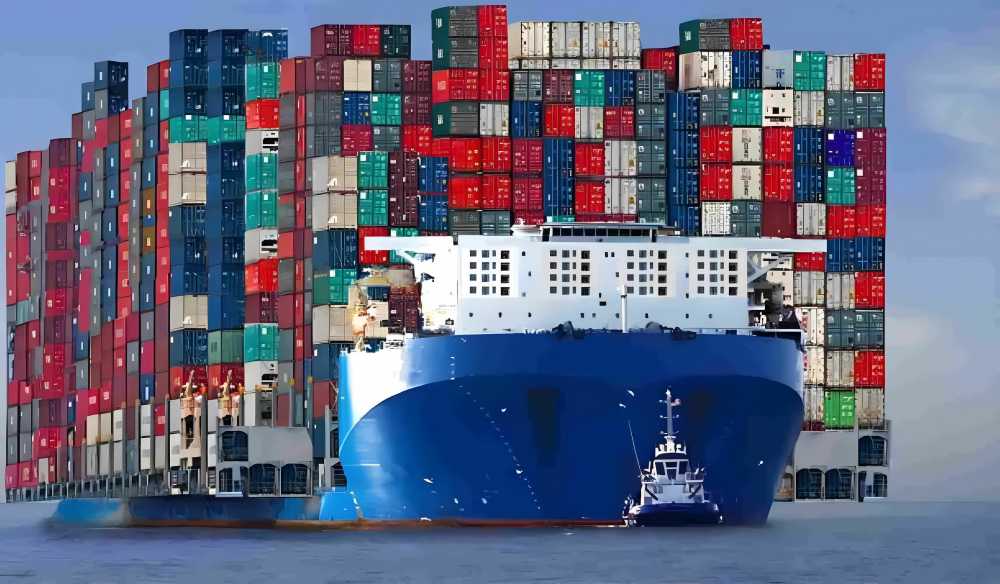
Many overseas buyers are now paying closer attention not only to machine specifications and price, but also to lead time, shipment planning and delivery reliability. This is especially true for projects involving large equipment such as hank dyeing machine, cone yarn dyeing machine, fabric dyeing machine or complete dyehouse line.
In many cases, customers are coordinating factory preparation, utility installation, staffing and commissioning schedules based on the expected arrival date of the equipment. If freight costs rise sharply or vessel schedules change unexpectedly, the result may be higher landed cost, delayed installation and additional pressure on project execution.
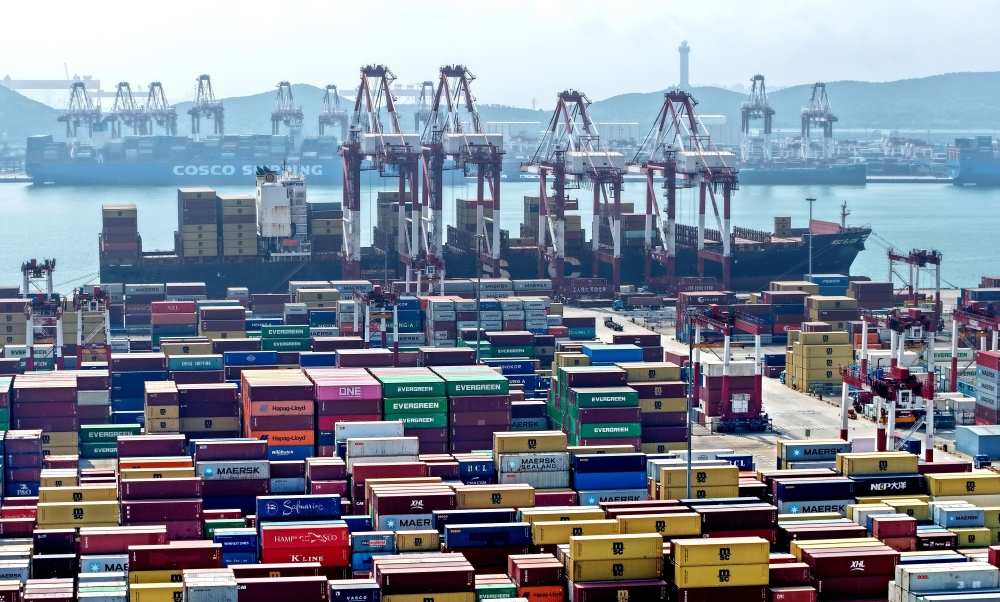
Under the current market situation, earlier coordination is becoming more important. Buyers planning new dyeing capacity or equipment replacement should confirm machine selection, production timing and shipment windows as early as possible. Earlier action gives both supplier and customer more flexibility in handling route changes, freight fluctuations or unexpected delays.
For project-based shipments, several points deserve special attention:
These steps are especially important for export projects involving large container loads, special loading requirements, or fixed commissioning dates.
Although the immediate impact is most visible in shipping, the broader lesson is clear: successful textile machinery delivery depends not only on machine quality, but also on logistics coordination and risk management. In periods of geopolitical uncertainty, timely communication and realistic planning become even more valuable.
As a textile dyeing machinery manufacturer, we continue to follow global shipping developments closely and stay in active communication with logistics partners and overseas customers. For customers planning hank dyeing machine, cone/package dyeing machine or fabric dyeing machine project, earlier discussion on production lead time, shipment arrangement and installation timing can help reduce uncertainty and improve delivery confidence.
If you are planning new textile dyeing project, feel free to contact us for machine recommendation, lead time confirmation and shipment planning support.
Ocean freight uncertainty can affect your project budget, delivery schedule, and installation plan. The earlier you confirm your machine solution, the easier it is to secure production time and prepare shipment arrangements.
We can help you choose the right model for hank yarn dyeing, cone/package dyeing, fabric dyeing or complete dyehouse project, while also supporting your planning on lead time and shipment.
Contact us with your material, batch size, process requirement, and destination market for a faster recommendation.
Better planning today can reduce delivery pressure tomorrow.

