
As of 2026, hank yarn dyeing machines still have a place in the market, but their role is far more specialized than before. They are no longer the default choice for general high-volume dyeing. Today, they are used mainly in production work involving wool, acrylic, cotton and blended yarn where yarn character, softer handle, batch flexibility or shade control still matter.
If you are reviewing this process, the real question is not whether hank dyeing still exists. The real question is whether it fits your yarn type, order structure and cost logic better than package dyeing or another bulk-oriented route. For specialty yarn, frequent shade changes, sample development and small-lot multi-color work, hank dyeing can still be the better option.
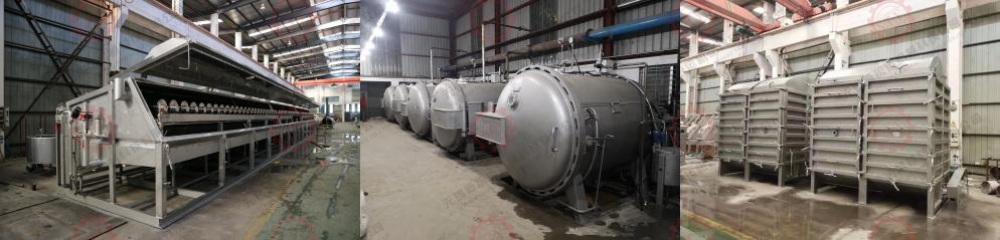
Demand has not disappeared. It has become more concentrated in mills and dyehouses that need greater flexibility, more frequent shade changes or process conditions that still benefit from yarn being handled in hank form.
If you are still comparing equipment categories, you can first review our hank dyeing machine category page for the main product direction, then use this guide to decide whether hank dyeing fits your process route.
| Scenario Type | Typical Application | Technical Advantage |
|---|---|---|
| Specialty fiber dyeing | Wool, acrylic and high-grade blended yarn | The looser yarn form helps reduce fiber stress and better preserve bulkiness, softness and elasticity. |
| Development and sampling | New shade development, recipe checks and customer sample approval | Small-capacity machines such as 4–6 kg units allow quick shade changes and lower trial cost. |
| Flexible production | Multi-color and small-lot orders, such as custom yarn production | It fits fast-response production where frequent shade changes and smaller batches are required. |
Not every yarn project belongs on a hank dyeing machine. Even so, the yarn types and production scenarios below still appear often in real-world hank dyeing discussions.
| Yarn / Scenario | Why Hank Dyeing May Still Fit | Typical Buyer Focus |
|---|---|---|
| Wool yarn | Better for softer handling and flexible shade work | Handle, appearance, small-lot flexibility |
| Acrylic yarn | Fits multi-color and flexible batch production | Shade variety, batch flexibility |
| Cotton yarn | Useful for sampling and selected value-added dyeing | Small batches, development work |
| Blended yarn | Offers more flexibility for process adjustment | Process adaptability |
| Polyester or specialty synthetic yarn | Suitable in selected high-temperature hank dyeing projects | Temperature and pressure capability |
| Sample dyeing / shade approval | Strong fit for color confirmation before bulk production | Accuracy before bulk production |
The table above gives a quick comparison. The points below explain why these yarn types and production scenarios still matter in practice.
Wool remains a strong fit because lower-tension processing helps protect yarn structure and preserve softness, bulkiness and final handle. It also works well for small-lot and multi-color jobs, such as designer sampling or niche production where flexibility matters as much as appearance.
Acrylic yarn often appears in production that involves multiple shades, smaller order quantities and frequent style variation. In these cases, hank dyeing still fits because small-batch and multi-color flexibility match this order structure well.
Cotton is not always the mainstream route for hank dyeing, but it still has value in sample development and selected value-added work, especially when smaller batches, color trials or differentiated product development are involved.
Blended yarn often needs more flexible process adjustment because each fiber component may respond differently during dyeing. In these projects, process adaptability and final yarn effect often matter more than routine bulk efficiency.
In selected cases, polyester or specialty synthetic yarn may still be processed in hank form when the dyeing process requires high temperature and pressure capability. In these projects, the main concern is whether the machine can meet required temperature, pressure and process stability.
This remains one of the strongest use cases. Small-batch dyeing and color confirmation before bulk production still require flexibility, accuracy and lower trial cost, which is why hank dyeing remains widely considered for sampling work.
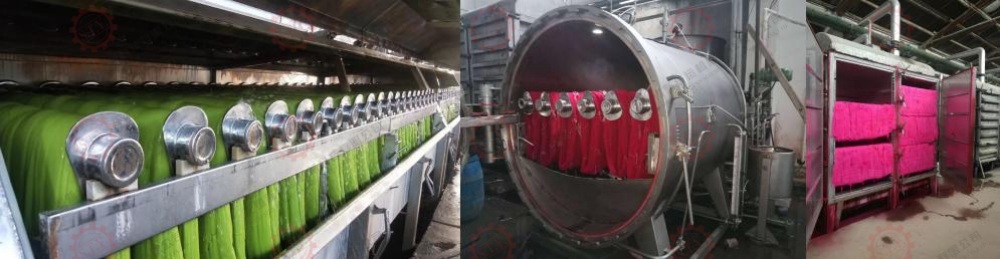
In 2026, this decision should be based on technical fit, not habit. The points below are usually the most practical ones to check.
If your business depends mainly on large-volume, low-variation standard yarn production, such as routine polyester-cotton cone yarn, package dyeing or another bulk-oriented route is often more competitive in both efficiency and cost.
In real production work, the decision usually starts with two questions: what yarn is being dyed, and what temperature level the process actually requires. The point is not which machine sounds more advanced. The point is which machine matches real process needs.
| Machine Type | Usually Considered For | Main Concern | Typical Order Style |
|---|---|---|---|
| Normal-temperature hank dyeing machine | Cotton, acrylic, wool and some blended yarn projects | Routine dyeing requirement, flexibility, entry budget | Small-lot or regular production |
| High-temperature hank dyeing machine | Polyester hank yarn and projects requiring pressure dyeing capability | Process temperature, pressure resistance, synthetic yarn application | Sample work, specialty yarn and selected bulk projects |
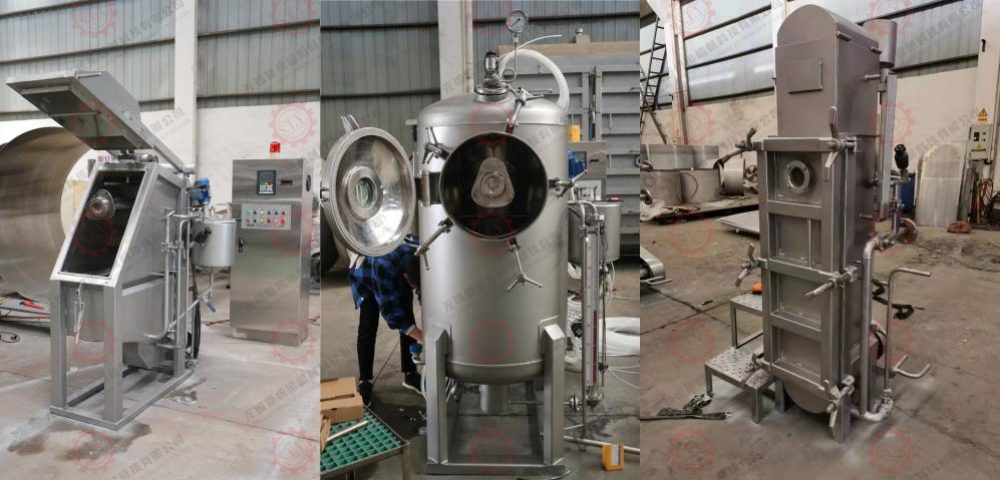
If your main focus is sample development, lab-to-bulk transition or small-batch confirmation work, you can also review our 5KG high pressure hank dyeing machine page.
This process has clear strengths, but also clear limits. It is not simply better or worse than other methods. Its value depends on whether your project puts more weight on yarn quality and flexibility, or on maximum production efficiency.
| Aspect | Practical Meaning | Typical Result |
|---|---|---|
| Specialty yarn and softer hand feel | Hank dyeing runs under lower yarn tension, which helps preserve bulkiness, softness and yarn character. | More suitable for wool, acrylic, cashmere and selected specialty yarn projects |
| Sampling and shade confirmation | It allows direct dyeing in hank form without first converting yarn into package form, which makes early sample work more flexible. | Useful for quick sample development, recipe trials and color approval |
| Flexible small-lot production | It adapts well to multi-color, small-order and fast-change production. | Suitable for custom yarn and fragmented order structures |
| Efficiency limitation | Hank dyeing usually involves lower automation and more manual loading work. | Less competitive in very large-volume, highly standardized production |
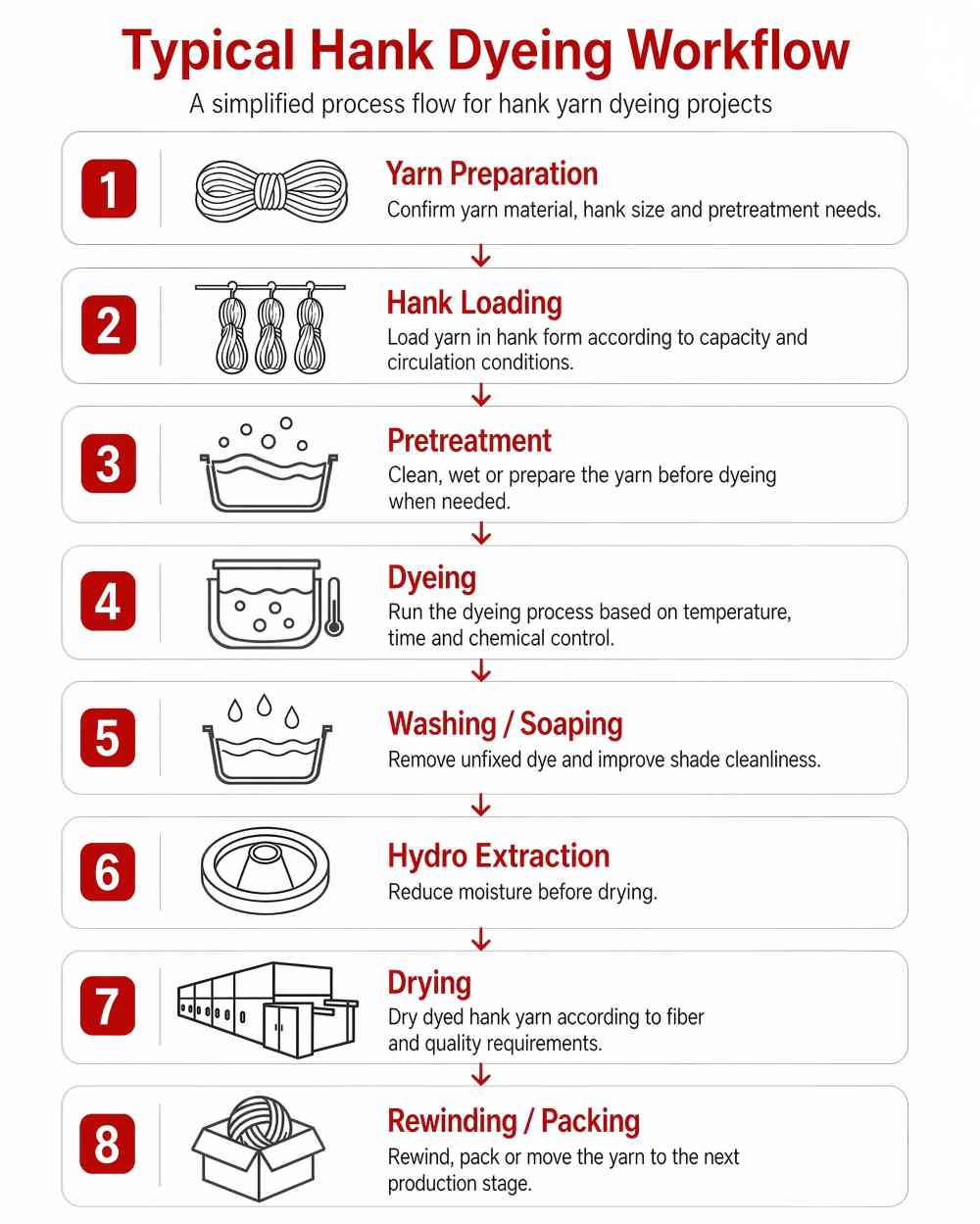
Exact settings depend on yarn type, dye class and factory standards, but the workflow usually includes the following steps.
One of the clearest ways to judge real demand is to look at shipment cases. In some mills, the need is not for one large standard machine, but for smaller-capacity units used for flexible work, color confirmation or specialty yarn production.
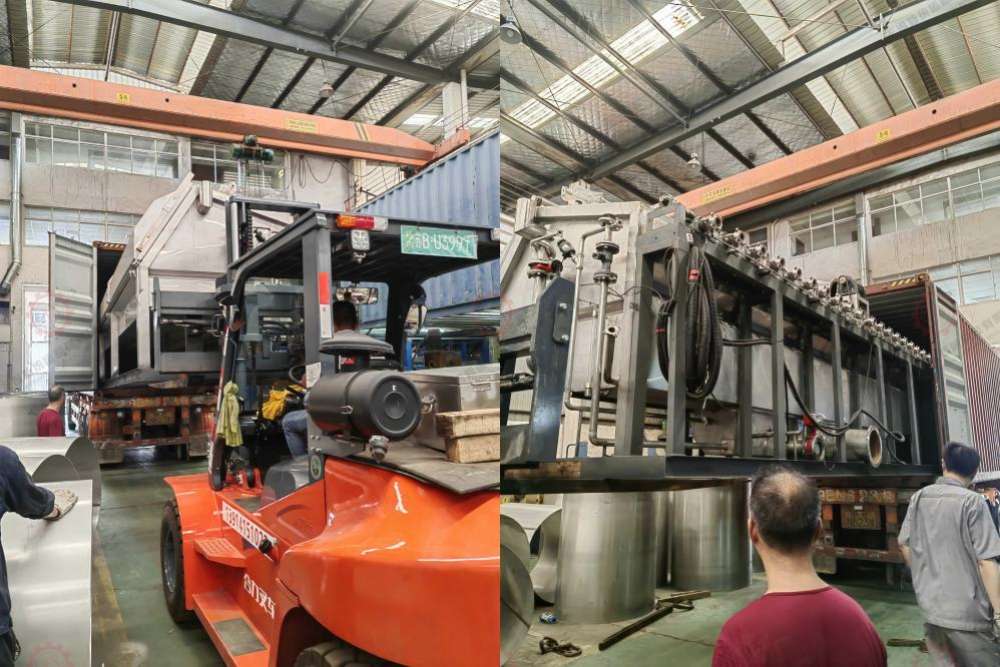
We previously shipped two sets of GSH-2-35 high-temperature hank dyeing machines to Bangladesh. Each machine was designed for 6 kg per batch, and the application involved small-batch and sample dyeing work, including polyester yarn and shade reproduction before bulk production.
If you want faster and more accurate machine recommendations, prepare the key project details first. In most real inquiries, the model can only be judged correctly after the basic process information is clear.
Hank dyeing is not always the right answer. It is usually not the first choice when production is highly standardized, when batch volume is very large and repetitive, or when the main goal is maximum routine output rather than flexibility.
Yes, but mainly for specific work such as specialty yarn, sample dyeing, shade approval, small-lot production and projects where yarn handling style still matters.
Wool, acrylic, cotton, blended yarn and some specialty yarn projects still come up often in hank-form discussions, depending on process and production goals.
The main difference is process requirement. High-temperature models are usually considered when the yarn or dyeing process requires higher temperature and pressure capability.
Yes. Sample work and shade confirmation remain among the strongest reasons why mills continue to invest in small-capacity hank dyeing machines.
Yes. This remains one of its clearest advantages, especially for multi-color orders, trial production and fragmented order structures where flexibility matters more than maximum output efficiency.
Prepare yarn material, hank size, batch capacity, temperature requirement, process type, automation preference, heating condition, voltage and destination country.
Share your yarn material, hank size, batch capacity and target process. We can suggest a more suitable machine direction based on your actual production requirements.

