


Choosing right dyeing machine is not only about machine type. It depends on material form, fiber category, dyeing temperature, pressure requirements, batch size, color consistency target and production efficiency. For dye houses/factories processing different yarn and fabric, a suitable dyeing machine helps improve dye penetration, levelness, color reproducibility and operating stability.
In practical production, cotton, wool, acrylic, polyester, knitted fabric and woven fabric all behave differently during dyeing. That is why machine selection should match both the textile material and the dyeing process. It explains main factors to consider when selecting dyeing machines for yarn and fabric applications.
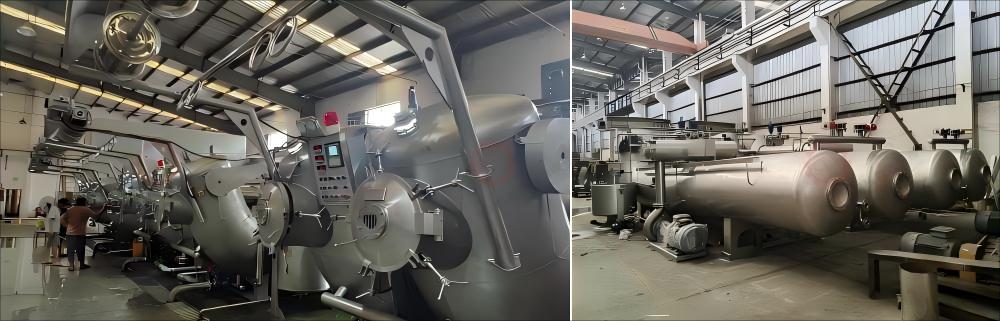
1. Start with the Material Form
The first step is to identify whether the material is hank yarn, cone/package yarn, loose fiber, knitted fabric or woven fabric. Different material forms require different liquor circulation methods, transport systems and tension control designs.
- Hank / skein yarn: suitable for gentle dyeing where yarn openness, softness and low tension are important.
- Cone / package yarn: suitable for pressure dyeing with inside-to-outside and outside-to-inside liquor flow through the package.
- Knitted fabric: usually requires low tension fabric running to reduce creasing, rope marks and deformation.
- Woven fabric: machine selection depends on fabric weight, structure and the required dyeing temperature and circulation performance.
2. Consider the Fiber Type and Dye Class
Machine selection should also match fiber and dyeing chemistry. Different fibers have different dye affinity, heating sensitivity and fixation conditions.
- Cotton and other cellulose fibers: often require stable circulation, good washing performance and process flexibility for reactive, direct or vat dyeing.
- Polyester: usually needs high temperature and high pressure conditions, commonly around 130°C for disperse dyeing.
- Acrylic: requires accurate temperature rise control and uniform dyeing management when using cationic dyes.
- Wool and delicate yarn: usually need gentler handling to reduce damage, tangling and quality loss.
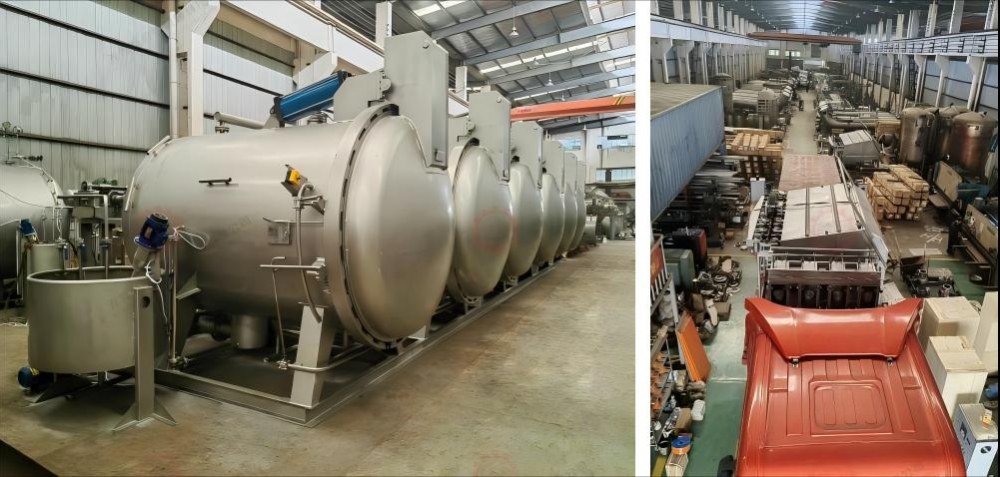
3. Check Temperature and Pressure Requirements
One of the most important selection criteria is whether the process is normal temperature or high temperature, atmospheric or pressurized. This affects not only the machine structure, but also sealing, safety, heating efficiency and process stability.
For example, polyester dyeing generally requires high temperature high pressure dyeing machines, while wool, cotton or normal pressure hank dyeing processes may be completed under normal temperature conditions(room temperature ~ 98℃). Choosing wrong temperature or pressure class may affect dye uptake, levelness and production reliability.
4. Evaluate Levelness, Penetration and Reproducibility
Suitable dyeing machine should support stable dye circulation and controlled dye uptake. If the dyeing rate is too fast, shading and unevenness may occur. If circulation is weak or package permeability is poor, penetration and color reproducibility may become difficult.
When comparing machines, buyers should pay attention to:
- pump and circulation design
- heating and cooling control stability
- liquor flow path and pressure control
- tension control for yarn or fabric movement
- process repeatability from batch to batch
5. Match the Machine to Production Goals
The best machine is not always the most complex one. It should match the factory’s real production goals, such as product type, daily output, color lot size, labor condition, utility cost and automation preference.
- For small batches and multiple colors: flexible process control and quick changeover are important.
- For large-scale regular production: machine stability, repeatability and operating efficiency become more important.
- For sensitive materials: low tension and gentle handling may be the top priority.
- For cost-conscious production: liquor ratio, steam consumption, water use and maintenance simplicity should be considered.
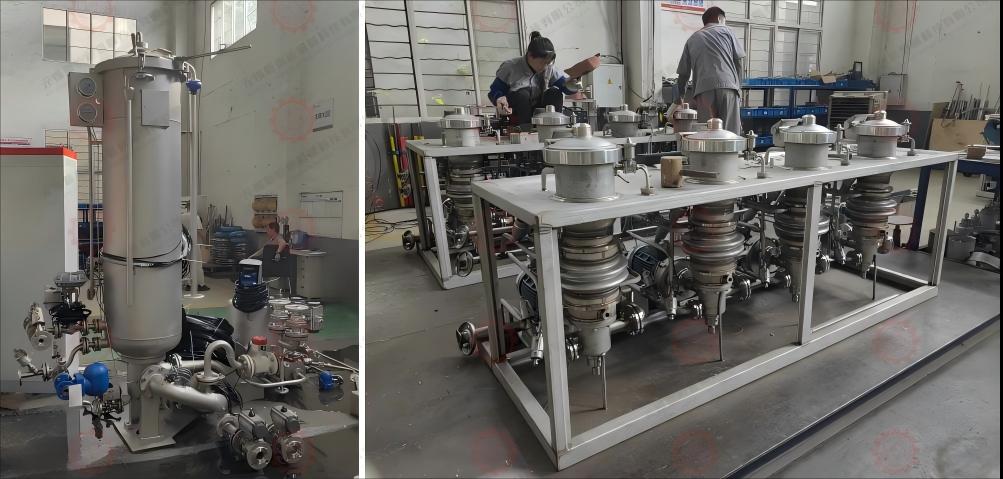
6. Common Machine Matching Logic
In many dyeing factories, the machine can be selected using simple matching logic:
- Hank yarn dyeing machine: for yarn in hank / skein form where gentle treatment and uniform dyeing are required.
- Cone / package yarn dyeing machine: for package dyeing with controlled flow through yarn packages.
- Overflow or jet fabric dyeing machine: for fabric dyeing processes where circulation efficiency and fabric handling are important.
- Low tension fabric dyeing machine: for knitted or delicate fabrics that are more prone to creasing and deformation.
7. Recommended Machine Selection Approach
Before deciding on a model, it is recommended to confirm the following points with the machine supplier:
- material type and yarn / fabric form
- fiber composition
- batch capacity
- working temperature requirement
- target shade depth and quality expectation
- available steam, water and power conditions
- semi-automatic or fully automatic preference
Clearer technical brief usually leads to more suitable machine recommendation and more practical quotation.
8. Conclusion
Choosing right dyeing machine means matching the machine design to material form, fiber type, dyeing process and production target. Proper selection can improve dye uniformity, reduce processing problems and support more stable long-term production.
If you are evaluating machines for hank yarn, cone yarn or fabric dyeing, it is better to compare equipment based on actual process requirements rather than price alone.